




Hario, Timemore, Toddy, MHW-3Bomber and more — we know what works
A cold brew maker steeps coarsely ground coffee in cold water for 8 to 24 hours, producing a smooth, low-acid result. Immersion pots are simplest; ice drippers add complexity.
Cold brew is coffee stripped of aggression. Long, patient extraction in cold water pulls sweetness and body from the bean without the bitterness that heat produces. The result is lower in acid, richer in texture, and extraordinary over ice. We’ve been helping Australians brew better coffee since 1999, and cold brew is one of the simplest methods to get exactly right with the right vessel.
Cold brew is immersion brewing taken to its logical extreme. Coarsely ground coffee steeps in cold or room-temperature water for 8 to 24 hours. Time replaces heat as the extraction driver. The compounds that dissolve at low temperature lean toward sweetness and body, rather than the sharper acids that hot water liberates quickly.
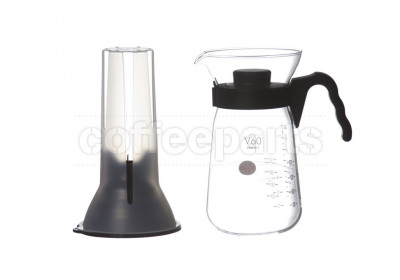
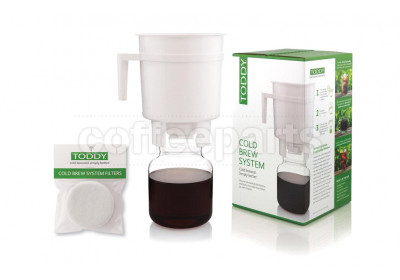
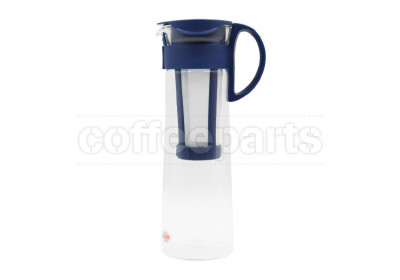
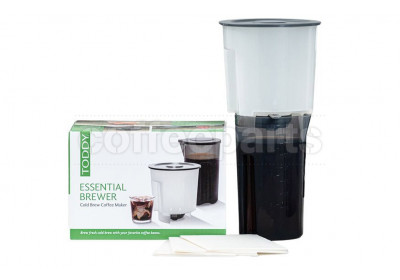
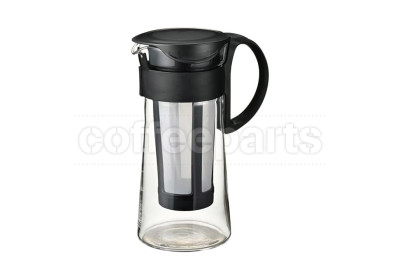
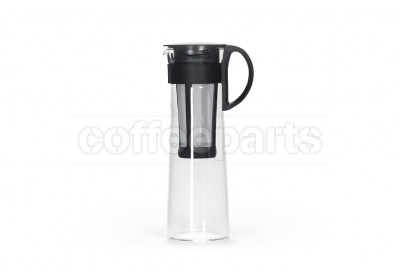
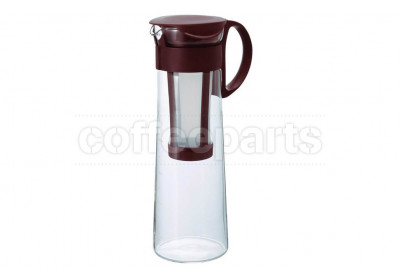
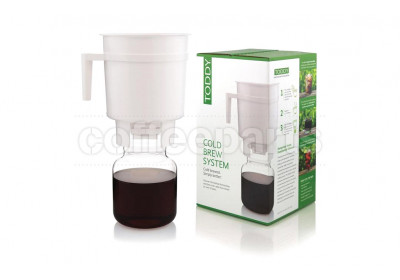
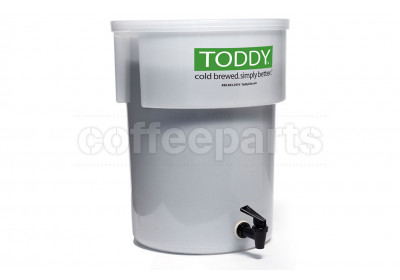
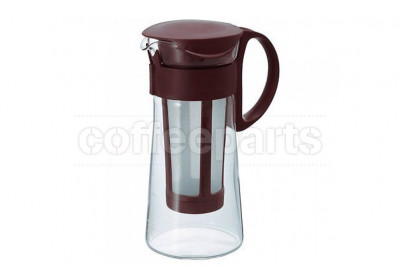
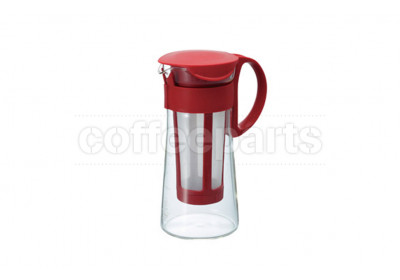
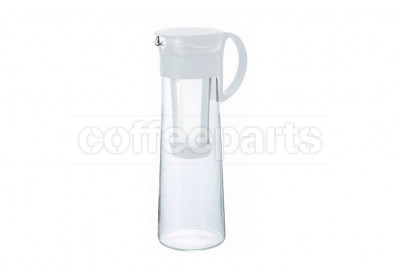
Immersion pots like the Hario Mizudashi and the Toddy Essential Brewer hold coffee and water in contact throughout the steep, then filter on demand. Forgiving, quiet, consistent batch after batch. The Hario Mizudashi uses a mesh inner filter that keeps grounds cleanly separated from the finished brew.
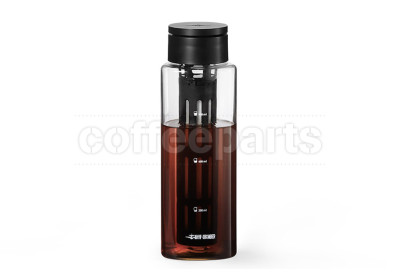
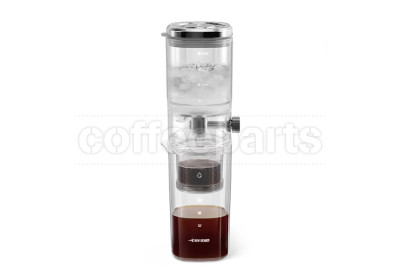
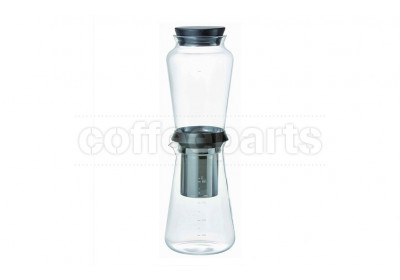
Ice drippers work differently. Cold water drips through a bed of grounds at a controlled rate, drop by drop, over several hours. The MHW-3Bomber Fresh Ice Dripper and the Muvna DILI use this method to produce a more complex, tea-like cup. Slower. More involved. Worth it if you want nuance in your cold coffee.
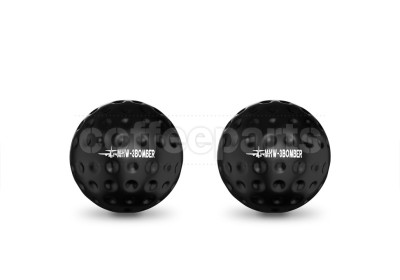
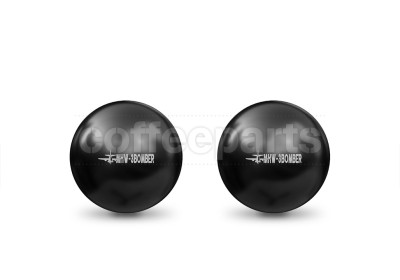
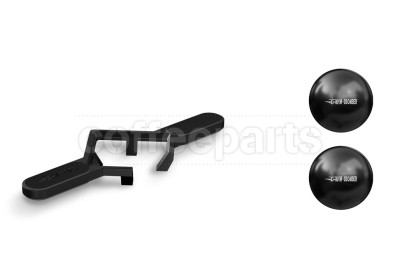
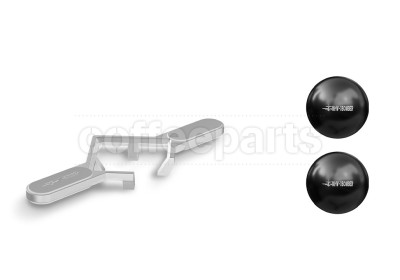
Chilling tools like the MHW-3Bomber Chilling Balls don’t brew cold coffee but chill hot espresso rapidly without dilution. Pour a fresh shot over a chilling ball and you have iced espresso in seconds, concentration intact.
Grind coarser than you would for filter. Use freshly roasted beans rested at least a week off roast. Store finished brew in the refrigerator.
The right vessel depends on how much you want to make, how much time you have, and how involved you want the process to be.
If you want cold brew regularly and simply, an immersion pot is the place to start. The Hario Mizudashi 1L is the benchmark for home use: it fits in a fridge door, brews a litre of smooth concentrate overnight, and cleans up without fuss. The 600ml version suits single-drinker households or tighter fridge space.
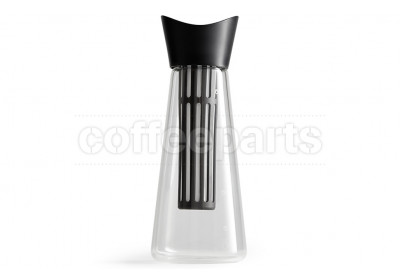
The Timemore Icicle Cold Brewer applies the same principle in a design that reflects Timemore’s engineering precision. Coffee Parts is the exclusive distributor of Timemore in Australia, and the Icicle is one of the more considered vessels in the range.
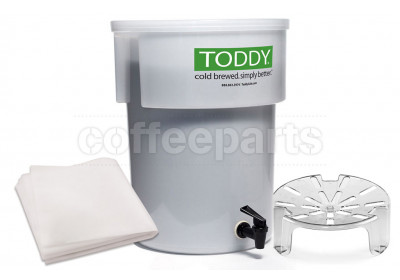
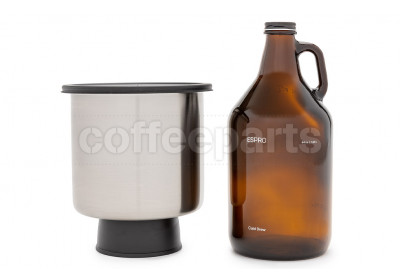
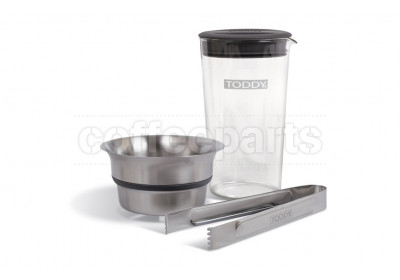
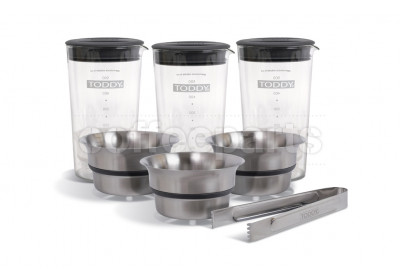
For cafés or households that go through cold brew seriously, the Toddy Commercial Cold Brew Kit steps up to larger batch volumes with a food-service-grade build. The Espro CB1 at 64oz handles serious home demand and uses a dual-filter system for a clean, sediment-free result.
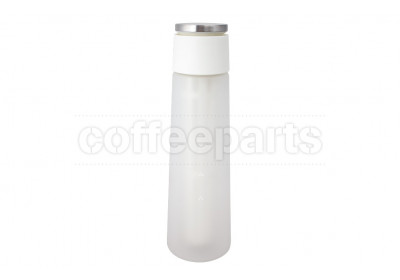
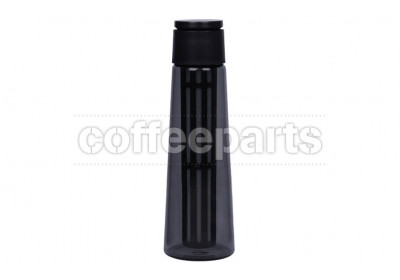
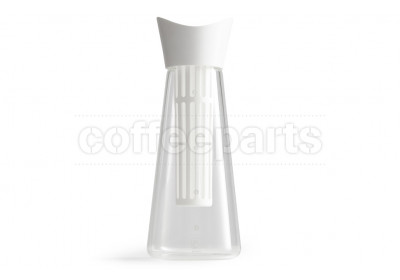
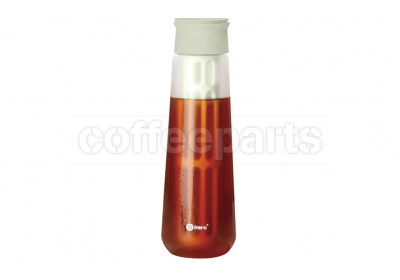
Ice drippers extract over a longer period. The MHW-3Bomber Fresh Ice Dripper in 400ml, clear and black, and the Muvna DILI Ice Drip Coffee Maker at 650ml both produce a lighter-bodied, more complex cup than immersion. If you have dialled in your pour-over and want the same thoughtfulness in cold coffee, a dripper rewards the effort.
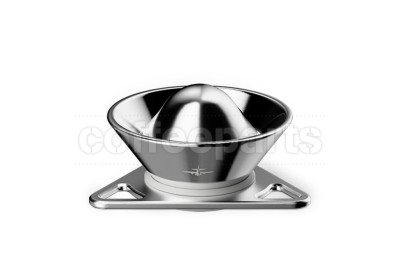
The MHW-3Bomber Chilling Ball range solves a different problem. Place one in a glass, pour a fresh double espresso over it, and the stainless steel sphere drops the temperature fast without ice-melt dilution. The Moonstone Filter Cube adds filtration to the chill, useful for pour-over served immediately over ice.
| Household | Format | Capacity |
|---|---|---|
| Single drinker | Immersion pot | 600ml |
| 1 to 2 drinkers | Immersion pot | 1L |
| 3 to 5 drinkers | Large immersion | 1.9L+ |
| Café or batch use | Commercial kit | Toddy Commercial |
Coffee Parts is the exclusive Australian distributor of MHW-3Bomber, Gold Sponsor of the 2025 World Barista Championship in Milan. The Panda Pitcher II was co-designed with 2023 World Latte Art Champion Fan Liang. That same engineering focus carries through the MHW-3Bomber chilling tools in this category, each of which has earned its place through rigorous product development rather than marketing.
Cold brew is a simple method, but a few companions make it better. A manual grinder set to a coarse filter setting is the right starting point. A coffee scale lets you repeat a ratio you like rather than estimating. A coffee server or sealed bottle stores concentrate neatly in the fridge. For cold espresso drinks alongside your cold brew, a milk frother rounds out the setup.
Cold brew is the method I recommend to people who think they don’t like coffee. Lower acid, smoother texture, and forgiving enough that a first batch usually turns out well. We’ve stocked cold brew equipment since it moved from cafe menus to home kitchens and watched the category mature from novelty to routine. The Hario Mizudashi has been a fixture in our range for years. The Timemore Icicle shows what happens when a precision engineering brand applies itself to a simple vessel. Both are here because they are tested and they work.
— Pedro Lara
Standard immersion cold brew takes 12 to 18 hours in the refrigerator. Room-temperature steeps can work in 8 to 12 hours, but the fridge method is more consistent and carries lower risk of off-flavours in warm weather. Ice drippers typically run 3 to 8 hours depending on drip rate and volume.
A 1:8 ratio by weight — for example, 60g coffee to 480ml water — is a reliable starting point for standard brew strength. For a concentrate you intend to dilute with water or milk, use 1:4. Adjust to taste after your first batch.
Grind coarser than you would for any hot filter method, roughly the texture of raw sugar. A fine grind over-extracts even in cold water and produces a bitter, cloudy result. If your finished brew tastes bitter despite a long steep, grind coarser and try again.
Cold brew is immersion: grounds steep in cold water for hours, then you filter the result. Cold drip feeds cold water through a bed of grounds drop by drop over several hours. Cold drip tends to produce a lighter, more nuanced cup; cold brew produces a fuller, richer concentrate.
Cold brew concentrate stored in a sealed container keeps well for up to two weeks in the refrigerator. Ready-to-drink cold brew, already diluted, is best consumed within 3 to 5 days. Keep it sealed and cold.
Cold brew pots are designed for cold extraction only. The materials and seals suit cold-water contact, not boiling temperatures. For hot filter coffee, see our pour-over and batch brew ranges.
The MHW-3Bomber Chilling Ball is a stainless steel sphere that rapidly chills a freshly pulled espresso shot without diluting it. Place it in a glass, pour the hot espresso over it, and the metal drops the temperature quickly. The result is iced espresso with the full concentration of a standard shot.