

Recreate the magic of your favourite local café, right in your own kitchen. We've hand-picked Australia's best collection of espresso machines for every skill level, from the workhorse Rancilio Silvia to the iconic La Marzocco Linea Mini. Browse the machines below, or let our expert buying guide at the bottom of the page help you choose.




Home and café espresso machines, parts-backed and tested since 1999.
An espresso machine forces hot water through a coffee puck at around 9 bar to pull a concentrated shot. Single-boiler models heat brew or steam; dual-boiler models do both at once.
There is no better morning than one that starts with a shot pulled by your own hand, on your own machine, in your own kitchen. We've been helping Australians get there since 1999, and we still supply the spare parts for most of what we sell, so we know which builds last. Our range of espresso machines Australia-wide spans home espresso machines, E61 machines and dual-boiler options, sorted so you land on the right one.
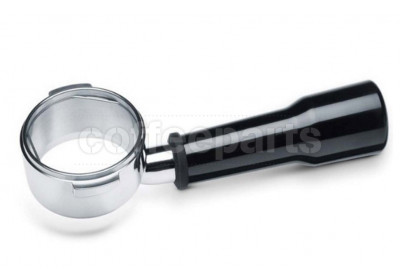
After 25 years of replacing what breaks, here's what we'd tell you to look at first: the boiler configuration. A single-boiler machine like the Rancilio Silvia E V6 heats either brew water or steam, so you switch between the two. A dual-boiler such as the Bellezza Bellona or the Gaggia Classic GT holds brew and steam temperature separately, which gives you steadier extraction and milk on demand. As James Hoffmann notes, dual boilers also typically run flatter brew temperatures because you draw from a reservoir held at one setting. Group head matters next. An E61 group, the design that traces back to Faema's 1961 machine, holds temperature passively and is the backbone of machines like the Rocket Espresso Mozzafiato and the Eureka Pura. A 58mm commercial portafilter, standard on the Silvia, gives you a wider parts and basket ecosystem than 54mm formats. The common mistake we see is buying the machine and skimping on the grinder. Extraction lives and dies on grind consistency, so a capable coffee grinder is not optional. Pressure is the last piece. Most vibration-pump machines run above 9 bar and bleed the excess off through an over-pressure valve. The resistance your puck creates is what determines how much of that pressure actually reaches the coffee.
The honest starting question isn't budget, it's how you drink. If milk is most of your cup, prioritise steam: a dual-boiler or a strong heat-exchange machine lets you steam and brew without waiting. If you drink mostly black, a well-built single-boiler will reward you for years.
For a first serious home setup, the Rancilio Silvia E V6 and the Gaggia Classic GT have earned their place. Both are serious, both are repairable, and both teach you real technique. Want café aesthetics and an E61 group? Look at the Rocket Mozzafiato Type V or the Rocket Appartamento TCA. Chasing the smallest genuine café machine for the kitchen? The La Marzocco Linea Micra was designed specifically for home use. For an all-in-one with a built-in grinder, the Breville Barista Pro starts brewing in seconds.
| Drinker | Look at | Why |
|---|---|---|
| Black-coffee purist | Rancilio Silvia E V6 | 58mm commercial group, built to last and to repair |
| Milk-drink household | Gaggia Classic GT / dual-boiler | PID control and steam on demand |
| Café look at home | Rocket Mozzafiato / Appartamento | E61 group, heat-exchange performance |
| Compact premium | La Marzocco Linea Micra | First La Marzocco built for the home |
What will I pair it with? A machine is only as good as the grind feeding it, so budget for a real grinder alongside it. What's my water like? Hard water scales boilers, and that damage isn't covered by warranty. What happens when it needs a service in a few years? Buy from somewhere that stocks the spare parts. We do, which is the whole point. If you're still unsure, our Sydney team has tested these machines on the bench, not just read the brochure.
The 1961 Faema E61 that started Coffee Parts is still in the family, and it's also the machine Paul Bassett trained on as a young barista at Toby's Estate before he won the 2003 World Barista Championship in Boston, Australia's first WBC title. The E61 group head you'll see across this range traces to that exact lineage. We didn't read about that history. We lived next to it.
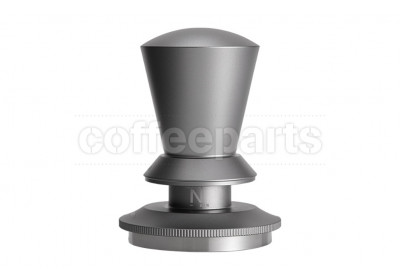
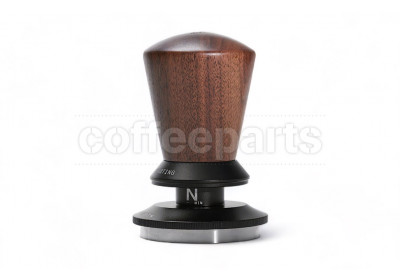
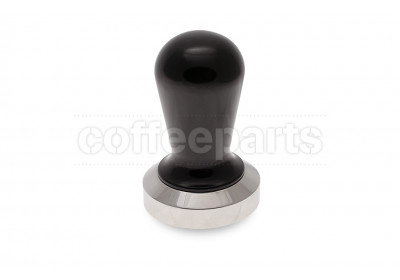
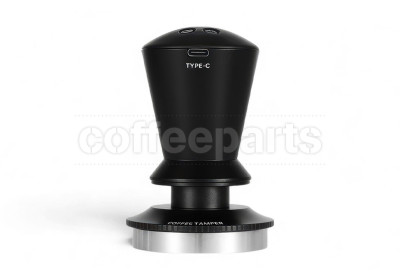
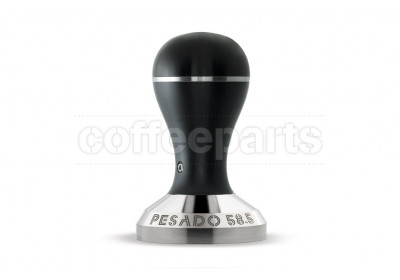
A machine alone doesn't make great coffee. To get the most from anything on this page, pair it with three things. First, a coffee grinder capable of consistent espresso-fine grinds, because extraction is decided at the grinder before the machine ever sees the coffee. Second, a coffee scale so your dose and yield are repeatable shot to shot. Third, a tamper and distribution tool from our barista tools range to get an even puck. Several machines here ship with a starter accessories kit, but a dedicated grinder is the upgrade that changes the cup most.
I grew up in this business. The warehouse afternoons, the loaned machines, the friends who went on to win the world, that's not marketing copy to me, it's my childhood. So when someone asks me which espresso machine to buy, I don't start with the spec sheet. I ask how they drink their coffee and how long they want to keep the machine. Get those two answers right and the shortlist picks itself. Everything we stock here, we'd happily run on our own bench. That's the only test that matters.
A single-boiler machine heats brew water or steam one at a time, so you wait and switch between pulling a shot and steaming milk. A dual-boiler holds both temperatures at once, giving steadier extraction and steam on demand. If most of your cup is milk, dual-boiler is worth the spend; if you drink mostly black, a quality single-boiler like the Rancilio Silvia E V6 is plenty.
The E61 is a group-head design that traces back to Faema's 1961 machine. It uses thermosiphon circulation to hold temperature passively, which gives stable, forgiving extraction. It's the backbone of machines like the Rocket Espresso Mozzafiato and Eureka Pura. It matters because it's a proven, repairable standard with a deep spare-parts ecosystem, which is exactly what we back.
You need a grinder. Espresso extraction depends on grind consistency and freshness more than any other variable, and pre-ground coffee goes stale and can't be dialled in to your machine. We'd always tell you to budget for a capable grinder alongside the machine rather than spending everything on the machine itself.
Prioritise steam power and temperature stability. A dual-boiler such as the Gaggia Classic GT, or a heat-exchange E61 machine like the Rocket Appartamento, lets you steam and brew without waiting. The Breville Barista Pro is a strong all-in-one option if you want a built-in grinder and automatic milk in one footprint.
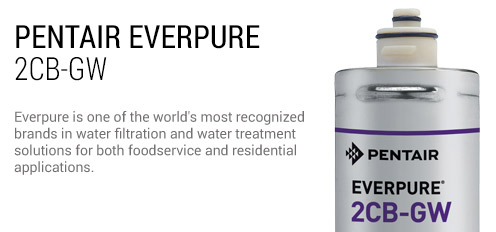
Use filtered water and descale on schedule. Hard water deposits scale inside the boiler and group, which restricts flow and eventually causes failures that aren't covered by warranty. A water filter is the cheapest insurance you can buy for an expensive machine. We carry water filters and descalers to suit every machine in this range.
Yes. Coffee Parts began in 1999 supplying spare parts, and we still stock seals, shower screens, pumps, gauges and more for most machines we sell. Buying where the parts live means a future service or repair is straightforward rather than a dead end.
We're an authorised retailer for brands including La Marzocco, Rocket Espresso and Rancilio, so machines come with genuine Australian manufacturer warranty and our own service backing. You also get our bench experience and same-team support after the sale, not just at checkout.