


First time here?
Not a Coffee Parts Wholesaler yet?
Want to be a Coffee Parts Wholesaler??







Airtight, vacuum and single-dose coffee bean storage containers, chosen and tested since 1999
TL;DR: A coffee bean storage container keeps roasted beans away from oxygen, light and moisture. Vacuum models like the Fellow Atmos and Airscape remove air instead of sealing it in.
Roasted coffee starts losing aroma the moment air reaches it. A good coffee bean storage container slows that down, and the right one depends on how you buy and brew. This range covers vacuum canisters from Fellow and Airscape, valve-sealed coffee containers from Muvna and iKape, and single dose coffee tubes from Pesado and Zerohero. We know this category from daily use in our own showroom, and every piece here earned its place.
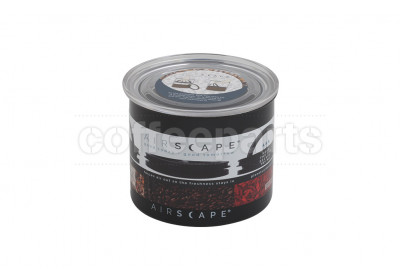
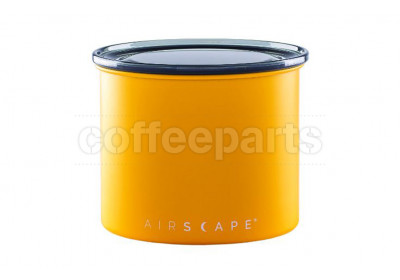
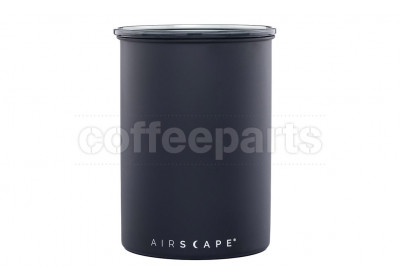
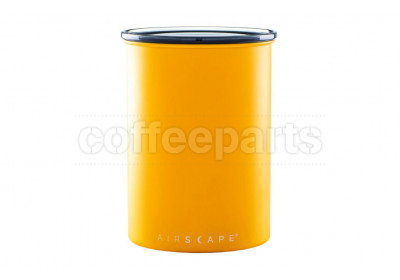
Most kitchen canisters are airtight, which only means the air already inside stays in with your beans. The Airscape lid works differently: pressing it down forces that air out of the canister before it locks, so the beans sit in far less oxygen. The Fellow Atmos takes the vacuum route instead, with a lid you twist back and forth to pump air out. Both approaches share the same goal: less oxygen touching the coffee.
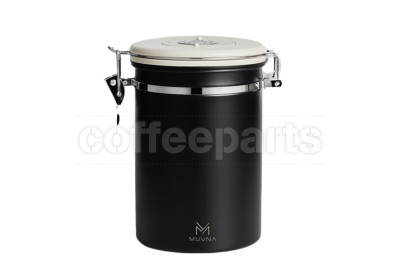
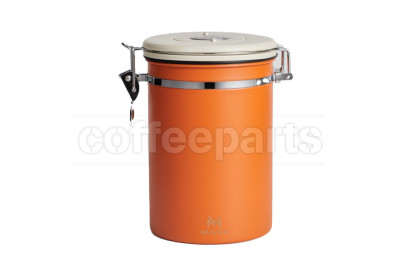
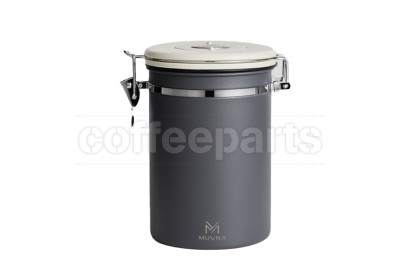
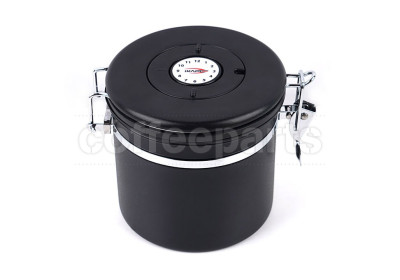
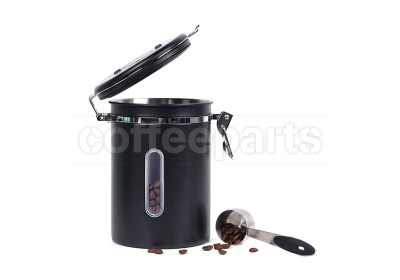
Freshly roasted beans keep releasing carbon dioxide for days. Anette Moldvaer's The Coffee Book explains why a one-way valve matters: it lets that gas escape while stopping oxygen from getting back in. The Muvna, iKape and Zerohero canisters on this page all use a one-way CO2 valve for exactly that reason, so you are not choosing between venting and sealing.
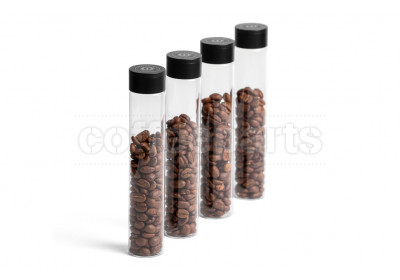
In The Physics of Filter Coffee, Jonathan Gagné describes splitting an opened bag into small portions rather than opening the whole lot to air each morning. That is the logic behind single-dose cellars and tubes. The Pesado Single Dose Bean Cellar holds up to 34.5 grams in glass with a magnetic cap, and the Zerohero Coffee Dosing Tubes hold 20 grams each with a valve cap, ready for a single dose grinder.
Since 1999 we have watched bags get clipped shut, left on a sunny bench and then blamed for a flat shot. Storage is the cheapest fix in coffee.
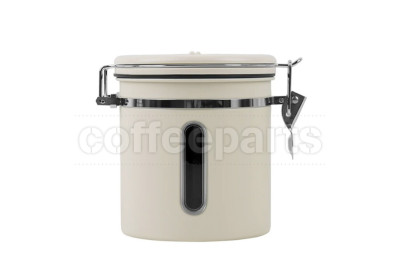
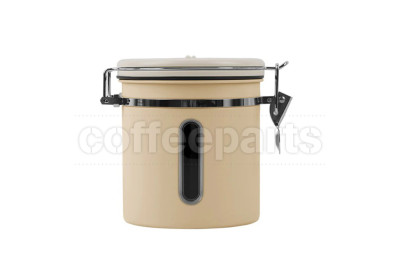
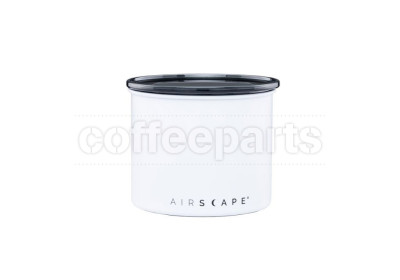
If you buy 1kg bags, the Airscape Large 1kg Coffee Storage Vault is built for that volume, and it is the exact item people search for when they type 1kg Airscape coffee canister. For 250g and 500g bags the Airscape Medium Classic, available in Chalk white or brushed steel, the Muvna 500g and 750g containers, and the Breville Bean Keeper, which holds up to 0.5kg, all fit the bag without leaving a large air gap above the beans. Less empty space means less oxygen sitting on your coffee between uses.
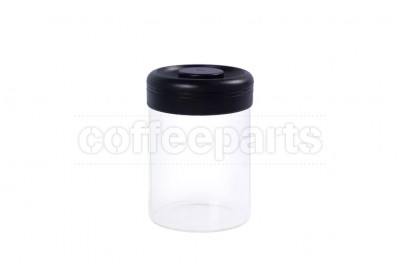
A vacuum canister such as the Fellow Atmos Matte Black Stainless Steel Canister (0.4 litre small or 0.7 litre medium) or the Timemore Glass Canister 2.0 Large 1200ml actively pulls air out. Note that the Timemore canister requires Timemore's separate vacuum pump, which is not included, so factor that in. Coffee Parts is Timemore's exclusive distributor for Australia, so we stock the pump alongside the canister. A valve canister like the iKape 300g or 600g, built from food-grade 304 stainless steel with a BPA-free silicone seal, vents CO2 from fresh beans and blocks oxygen without any pumping. A plain airtight container is fine if you get through beans within a week of opening.
If you weigh each dose before grinding, cellars and tubes are the tidier option. The Pesado Single Dose Bean Cellar 4 pack sits on a magnetic cap so you can park it on the grinder or fridge, and the Pesado Bean Cellar Stand keeps a set organised. Weber Workshops Bean Cellars, the BNP-10 pack, use a proprietary one-way valve cap and are the cellars Gagné mentions using at home. The Zerohero Coffee Dosing Tubes come ten to a pack at 20 grams, and the MHW-3Bomber Coffee Display Jar holds seven 25 gram portions on a sandalwood tray for a bench that looks as considered as it works. Pair any of these with coffee scales so each portion is dialled in before it hits the burrs.
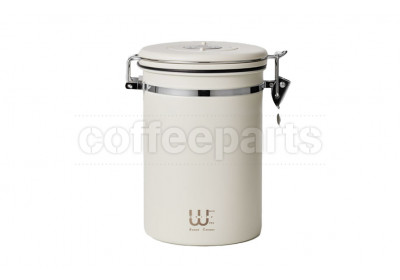
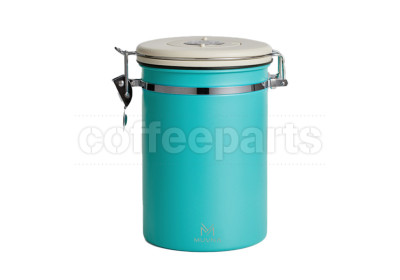
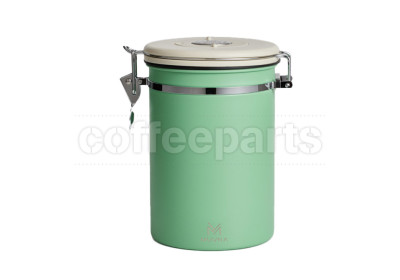
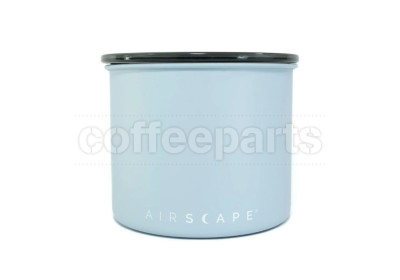
The Hario Zebrang Coffee Canister 50G is compact and airtight, designed to keep beans away from air, moisture and UV while you are camping or brewing away from home. For the everyday bench, colour and finish matter more than people admit, which is why Muvna offers black, orange, white, grey and blue and Airscape comes in charcoal, chalk and steel.
Gagné's advice is worth repeating: away from heat, light and moisture, in a low, dark cupboard rather than next to the oven. Glass looks good on the bench but stainless steel, like the Fellow Atmos matte black, gives an extra layer of light protection. Whichever you choose, keep it inside our wider coffee machine accessories collection in mind, because the dosing cups and spoons and scoops that move beans from canister to grinder are part of the same routine.
Two of the brands on this page sit at the top of world competition. Timemore was Top Sponsor of the 2025 World Brewers Cup in Jakarta, and MHW-3Bomber was Gold Sponsor of the 2025 World Barista Championship in Milan. Coffee Parts is the exclusive Australian distributor for both, which is why the Timemore Glass Canister 2.0 and the MHW-3Bomber bean tubes ship from our Sydney warehouse rather than a grey importer.
Storage is one Link in the chain. Fresh beans go into a canister, a measured dose comes out onto coffee scales, then into the grinder. If you single dose, a set of Pesado or Zerohero cellars plus a single dose grinder removes the guesswork, and a dosing cup catches the grinds cleanly. If you keep a full bag in a canister, a scoop and a scale still beat eyeballing it. None of this is upsell. It is the routine we run on our own bench, and it is the reason the coffee tastes the same on a Tuesday as it did on Sunday.
For years I told customers that storage was the last thing to worry about. I was wrong. Since 1999 we have sold a lot of very good grinders to people whose beans were stale before they reached the burrs, and no grinder fixes that. The Airscape lid in our own kitchen has been personally used by us at Coffee Parts for a long time, and the Pesado cellars from Melbourne are the ones on my bench today. Buy the container that matches the bag you actually buy. That is the whole secret.
— Pedro Lara
Keep them away from oxygen, light, heat and moisture. A sealed canister in a low, dark cupboard away from the oven does most of the work, and a vacuum or valve lid removes the air that a plain seal leaves inside. Buy in quantities you will finish within a few weeks of opening.
If you keep beans for more than a week after opening, yes. The patented Airscape lid pushes the air out of the canister before it locks, rather than trapping it in, which is the difference between airtight and air-free. It also suits tea, flour and other pantry goods, so it rarely sits idle.
It depends on roast date, roast level and how often you open the lid, so we do not quote a fixed number. What we can say is that removing the air slows staling compared with a clipped bag or a standard airtight jar, and buying smaller bags more often always beats any storage device.
An airtight canister works if you get through your beans quickly. If you buy larger bags, a vacuum lid like the Fellow Atmos or a one-way valve like the Muvna and iKape canisters keeps oxygen off the beans for longer. Freshly roasted beans also release CO2, and a valve lets that escape without letting air back in.
No. The Timemore Glass Canister 2.0 Large 1200ml uses a vacuum seal lid but the pump is sold separately. As Timemore's exclusive Australian distributor we stock both, so add the pump to the same order if you want the full vacuum function.
They are small sealed tubes or jars that each hold one dose of beans, pre-weighed and ready for the grinder. The Pesado cellars hold up to 34.5 grams in glass with a magnetic cap, and the Zerohero dosing tubes hold 20 grams with a valve cap. They suit anyone who weighs every dose or rotates several coffees at once.
Everything marked In Stock ships from our Pagewood, Sydney warehouse, including Airscape, Fellow, Muvna, iKape, Pesado, Hario and Timemore lines. Items showing a lead time are on order from the supplier and can be backordered.