Knock the puck, keep the bench clean, every single time
Home knocking tubes and café knock boxes we've tested since 1999.
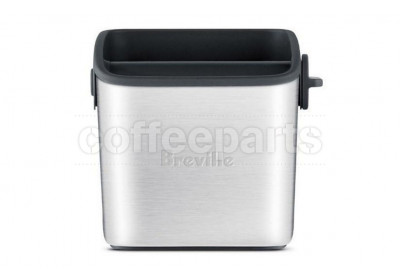
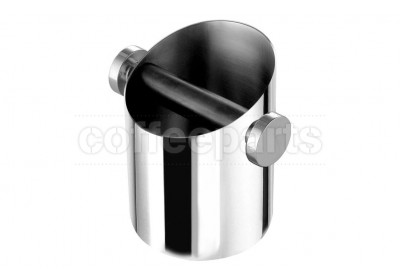
TL;DR: A coffee knock box is a bench-top vessel with a padded knock bar where you strike the portafilter to dump the spent espresso puck. The Breville Knock Box 20 holds twenty pucks.
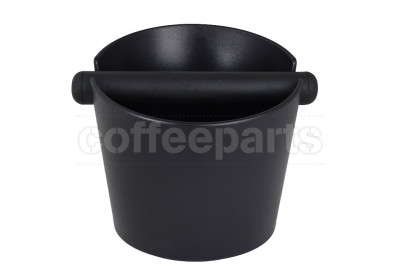
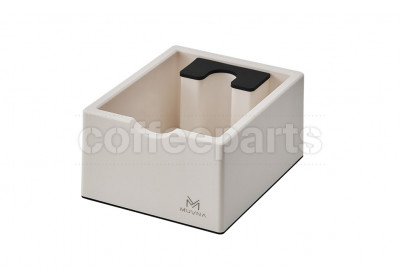
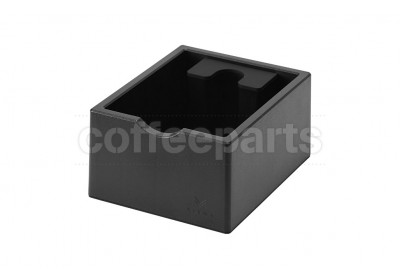
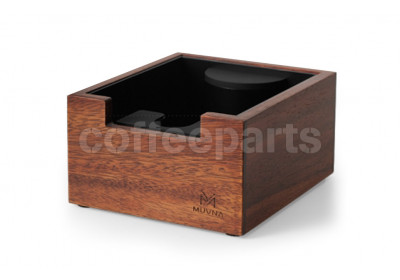
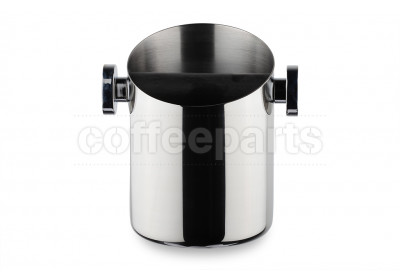
Every espresso pull ends the same way: a wet, compacted puck that has to go somewhere. A coffee knock box is where it goes, cleanly, without a bin lined in grounds or a sink slowly clogging. Our coffee knock box Australia range covers home tubes from Crema Pro and Dreamfarm, bench-top boxes from Muvna, iKape and Cafe de Kona, plus the Breville Knock Box range. We know which ones last, because we've tested them.
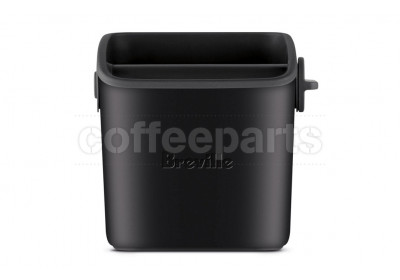
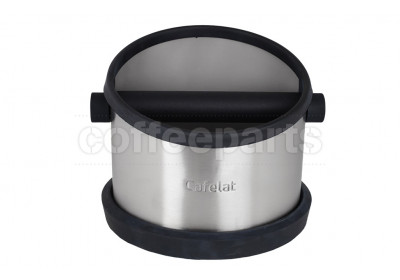
After 25 years fitting parts and watching gear come back for repair, we've formed clear opinions on what makes a knock box worth owning. The most important part is the knock bar: the padded crossbar you strike the portafilter against. A bar that is too hard transmits shock into your wrist and into the portafilter lugs. A removable bar, like the one on the Breville Knock Box 10, also lets you lift it out and rinse the inner vessel properly instead of fighting dried grounds around a fixed post.
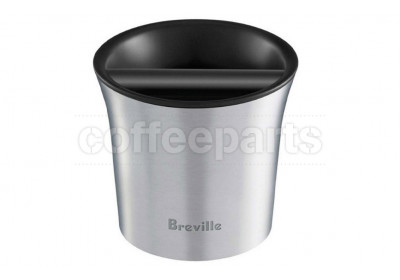
Stability is the second thing people overlook. A knock box slides the moment you swing a loaded portafilter at it, so an anti-slip rubber base is not a luxury; the Breville range builds this in. Capacity matters too. A home setup pulling two or three shots a day suits a compact tube; a busy household wants something like the Breville Knock Box 20, rated to twenty pucks before emptying.
Material is the last call. Stainless and walnut boxes resist staining; ABS plastic units like the iKape V2 are lighter, cheaper and dishwasher-friendly. None is wrong. The right one suits how often you brew and how much bench you have. Browse our coffee distribution tools and tampers alongside it.
Choosing a knock box: a buyer's guide
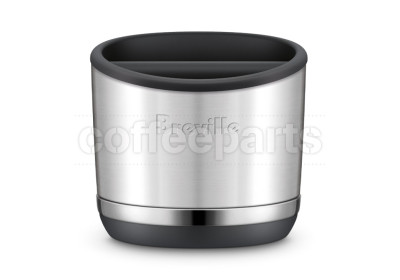
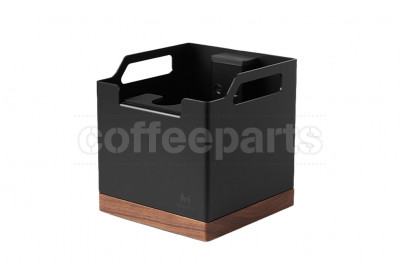
Start with where it lives. A low-profile home knocking tube can tuck beside the machine or sit on a Breville drip tray when not in use. A taller bench-top box with a high back, like the Muvna Metal Knock Tube with High Back, is better if you knock hard and want a catch wall behind the bar. Measure your bench first. The complaint we hear is rarely that a box is too small, it is that it is too tall to fit under a wall cabinet.
Match capacity to volume. If you pull a couple of shots each morning, a compact box that holds a handful of pucks empties in seconds. If you brew for a household or run a setup that sees real traffic, step up: the Breville Knock Box 20 stores up to twenty pucks so you are not emptying it mid-session. Café-grade volume belongs in our separate café knocking tubes range.
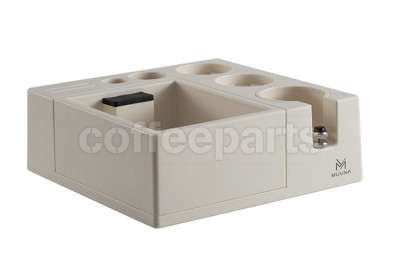
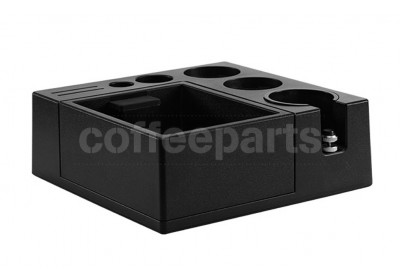
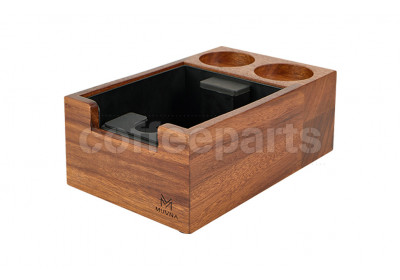
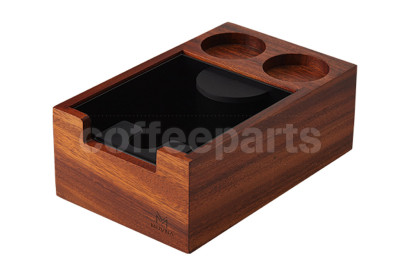
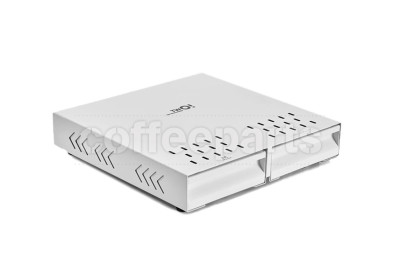
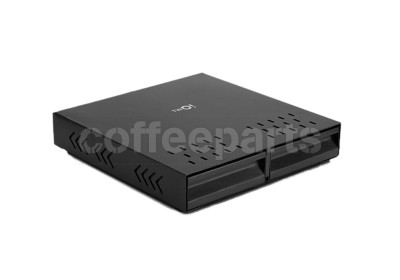
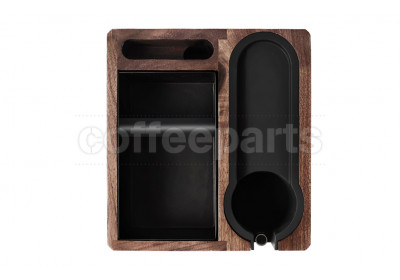
Decide what else the box should do. A plain knock box does one job well. A multifunctional coffee station does several: the Muvna stations and iKape organizer boxes give you a knock chamber plus a portafilter cradle and a tamping seat, compatible with 51, 53 and 58mm baskets. If your bench is tight, one combined unit beats three separate tools. If you already own a tamping station, a single-purpose box keeps things simple.
Think about the puck, not just the box. A dialled-in espresso puck knocks out cleanly in one strike. A puck that smears or sticks usually means the grind or dose needs adjusting, not that the box has failed. Breville's Puck Sucker is the exception, made for lifting stubborn wet pucks out of pressurised baskets. For everything else, a firm knock bar and a clean swing do the work.
Cleaning and longevity. Removable knock bars make rinsing the vessel painless. Stainless and timber boxes wipe clean and age well; ABS plastic boxes are dishwasher-friendly and forgiving if dropped. Whatever you choose, empty it before the grounds compact and go sour, and wash the vessel weekly. Pair the box with a good tamping mat and your prep corner stays tidy.
Not sure which way to go? Send us a photo of your bench. We have stocked, used and emptied most of these boxes ourselves, and we are happy to point you to the one that fits.
A knock box is one corner of a clean espresso station. To finish the setup, most people add a tamping mat or base to protect the bench, a distribution tool for even puck prep, and a tamper sized to the basket. The Muvna multifunctional stations bundle several of these jobs into one footprint, which suits a tight bench. If you are starting from scratch, build the station around how you actually move while you brew, not around the gear.
People assume the knock box is the least important thing on the bench. I see it differently. A good box is the small piece of kit that keeps the rest of your ritual calm. My dad started Coffee Parts in 1999 because he cared about the unglamorous parts other shops ignored, and a knock box is exactly that kind of part. Buy one that knocks clean, sits steady, and rinses easily, and you stop thinking about it. That is the point: the gear should disappear so the coffee can take over.
— Pedro Lara
Frequently Asked Questions
What is a coffee knock box used for?
+
A coffee knock box catches the spent espresso puck. You strike the portafilter against a padded knock bar and the compacted grounds drop into the vessel, so you avoid tipping wet coffee into a sink or bin where it makes a mess and can clog the drain.
What is the best coffee knock box in Australia?
+
There is no single best box, only the best for your bench. For Breville owners, the Breville Knock Box 10 fits the drip tray and matches the machine. For higher volume, the Breville Knock Box 20 holds twenty pucks. For a combined prep station, the Muvna multifunctional units are strong picks compatible with 51, 53 and 58mm portafilters.
How many pucks does a knock box hold?
+
It depends on the model. Compact home knocking tubes hold a handful of pucks, the Breville Knock Box 10 stores up to ten, and the Breville Knock Box 20 holds up to twenty before it needs emptying. Match capacity to how many shots you pull between cleans.
What is the difference between a knock box and a knocking tube?
+
They do the same job. "Knocking tube" is the term often used for slimmer, taller home units, while "knock box" usually describes wider bench-top boxes. Both have a knock bar you strike the portafilter against. Choose by bench space and capacity rather than the name.
How do you clean a coffee knock box?
+
Empty it before the grounds compact and turn sour, then rinse the inner vessel. Boxes with a removable knock bar, like the Breville range, are easiest because you lift the bar out and wash around it. Stainless and timber boxes wipe clean; ABS plastic boxes such as the iKape units are dishwasher-friendly.
Why won't my espresso puck knock out cleanly?
+
A puck that smears or sticks is usually a grind or dose issue, not a box problem. A dialled-in shot knocks out as a dry, intact disc in one strike. If pucks are wet and loose, check your dose and grind. For stubborn pucks in pressurised baskets, Breville's Puck Sucker lifts them out.
Will a knock box fit under my kitchen cabinets?
+
Measure first. Low-profile home tubes fit almost anywhere and some sit on the machine's drip tray. Taller bench-top boxes with a high back need clearance, so check the height against your wall cabinets before buying. Dimensions are listed on each product page.