
First time here?
Not a Coffee Parts Wholesaler yet?
Want to be a Coffee Parts Wholesaler??
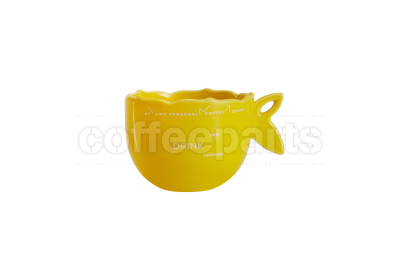
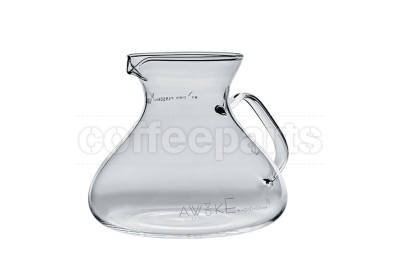

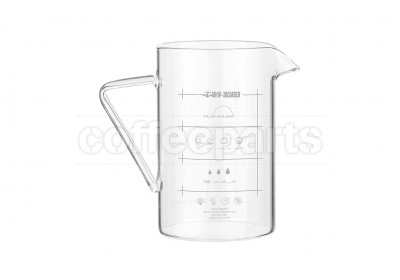
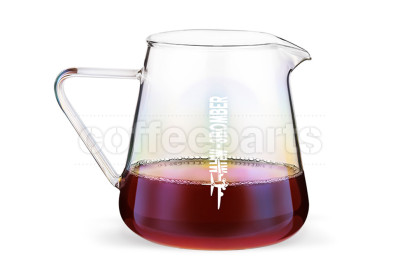
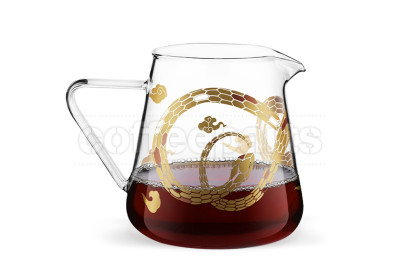
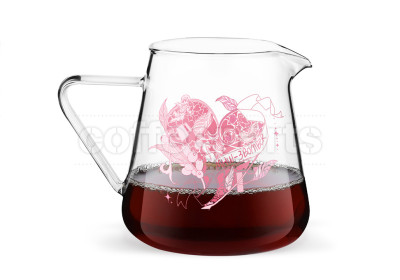
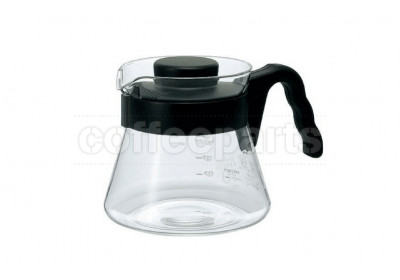
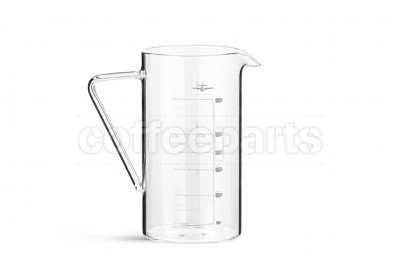
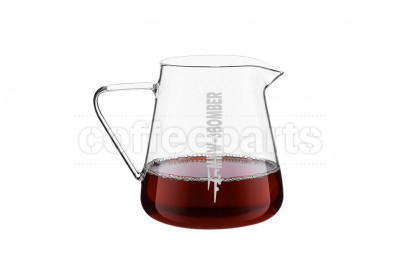
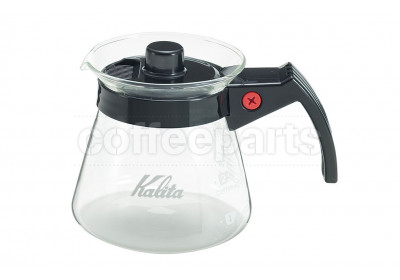
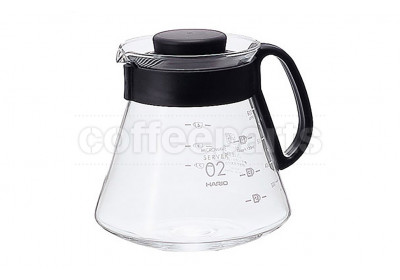
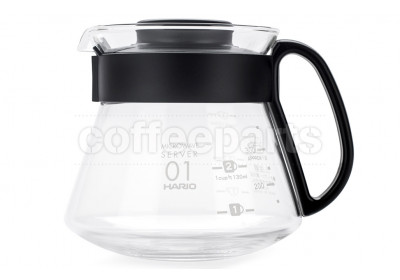
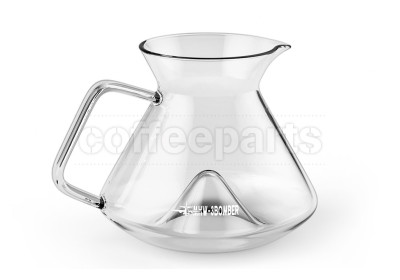

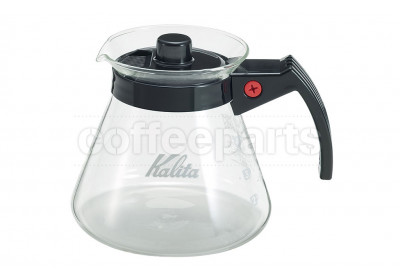
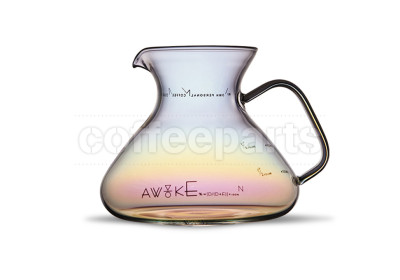
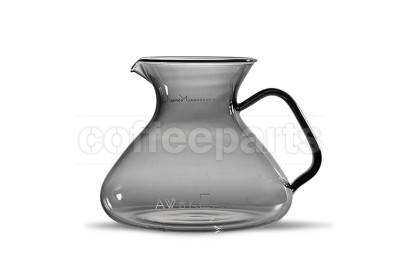
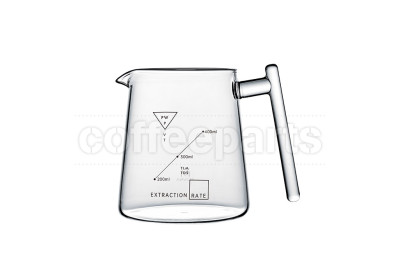
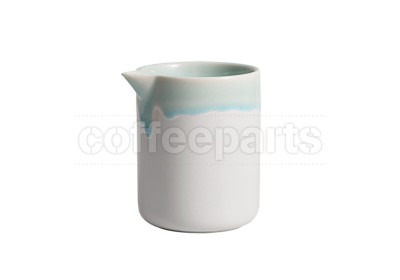
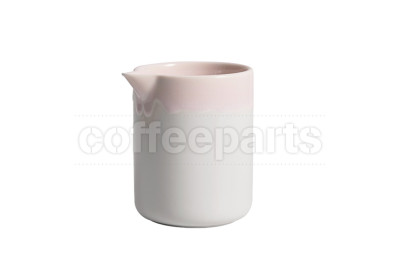
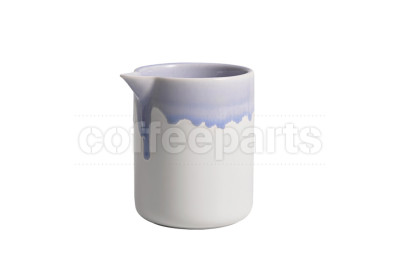
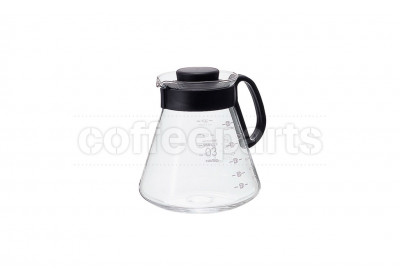
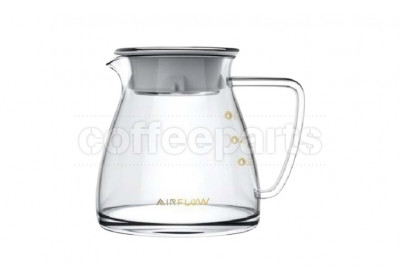
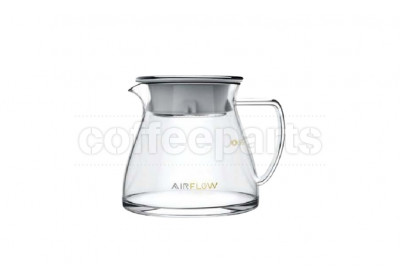
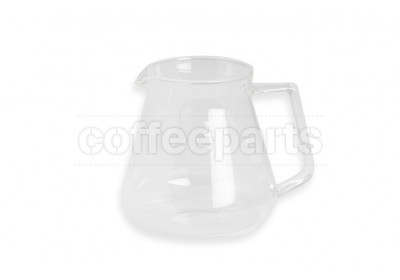
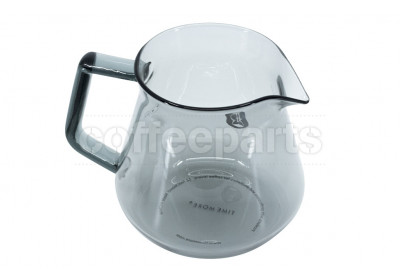
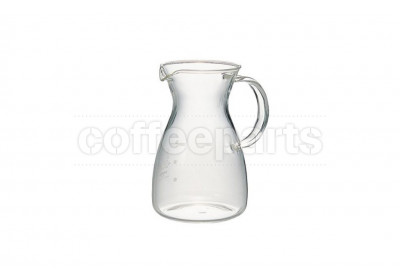
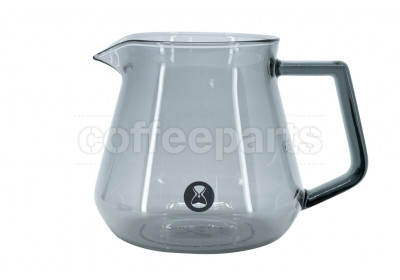

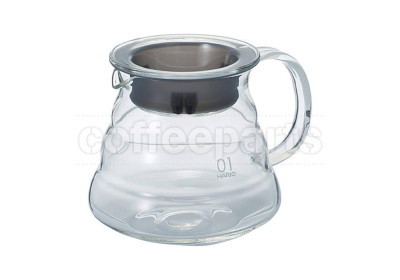
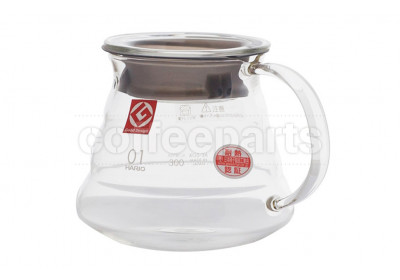
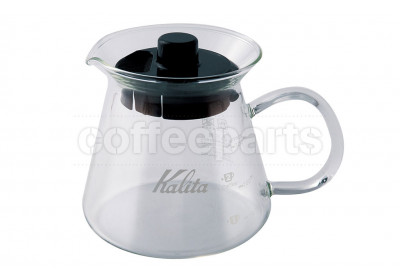
Glass, steel and ceramic servers for V60, Kalita Wave and immersion brewing setups.
TL;DR: A coffee server is the vessel that catches pour-over coffee from a dripper. The range spans the Hario V60 500ml Server to the Kalita 300 Server G.
A coffee server is the vessel that catches your pour-over brew, sized and shaped for the dripper sitting on top of it. We've stocked coffee servers since 1999, from Hario's stainless steel and glass V60 range through to Kalita Wave-matched glass, Airflow borosilicate and Timemore's compact sets. Brew solo into a 300ml Kalita or share from a 600ml Airflow carafe: the server underneath changes how your pour-over actually performs on the table.
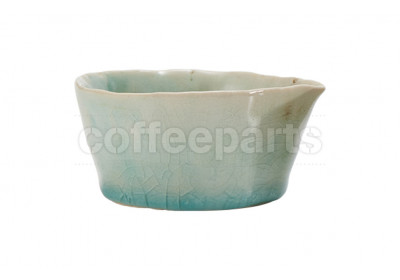
Material is the first decision, and it isn't cosmetic. Borosilicate glass, like the Airflow servers in this range, tolerates temperatures from minus 20 to 150 degrees Celsius without cracking, which is why it's the default choice across pour-over brewing worldwide. Stainless steel, like the Hario V60 500ml server, holds heat longer once the brew is in the vessel and travels better if it's leaving the kitchen bench. Ceramic servers, like Muvna's Manni sharing pots, sit between the two: good heat retention, more fragile than steel, better presentation for the table. Fit matters as much as material. A Kalita 300 server is built to the exact footprint of the Kalita Wave dripper it's designed for, though it will happily take a Hario or Brewista dripper on top. The Hario Immersion Dripper SWITCH set pairs a dripper and server as one calibrated unit, because immersion brewing depends on the dripper sealing to the server correctly before the switch releases the brew. We've tested enough of these combinations across 25 years of parts and repair work to know that a mismatched dripper-and-server pairing is the most common reason a pour-over setup drips slower, or messier, than it should.
Start with how you actually drink your coffee. Brewing solo most mornings points you toward a 300 to 360ml server, the size of the Kalita 300 Server or the Timemore 360ml server, both built to sit under a single V60 or Wave dripper without wasted headspace. Brewing for two or sharing at the table points you toward 450 to 600ml, where the Airflow 600ml, the MHW-3Bomber Hill 600ml range, or the Muvna Yingzhan 450ml servers all give you enough volume for two full cups without a second pour. Handle style is a genuine trade-off, not a style choice. A glass handle, as on the Kalita 300 Server G, stays cooler to the touch but is the first thing to chip if the server is dropped. A moulded or plastic handle, as on the Kalita 300 Server N, is tougher day to day but retains more heat from the body of the server. If you're brewing immersion-style rather than pour-over, look at the Hario Immersion Dripper SWITCH Server Set: the dripper and server are matched to work as one unit, so mixing brands here doesn't make sense. For anyone brewing hot and cold in the same household, the Yama Silverton earns its place as a genuine two-in-one: hand-blown borosilicate glass, holds up to 550ml, dishwasher and microwave safe, and works as either a filter dripper or a cold brew vessel. Check base width against your scale before you buy, particularly if you're pairing the server with a compact scale rather than a full-size brew bar scale. A server that's too wide to sit flat and centred on the scale plate will throw your tare and your pour readings off. Dishwasher safety varies by brand and by handle material: check the individual product page rather than assuming, since a glass-handled server and a plastic-handled version of the same base can carry different care instructions. For the gooseneck kettle you're pouring from and the dripper it sits under, match the server last: it's the easiest piece to get wrong once the rest of the setup is dialled in.
The Hario V60 has won more World Brewers Cup titles than any other pour-over brewer. Matt Perger won the 2012 title in Vienna on a V60, Tetsu Kasuya won in Dublin in 2016 with the V60 method now known as the 4:6 method, and Matt Winton won in Milan in 2021 with a five-pour V60 recipe. Every one of those wins ended the same way it does at your kitchen bench: the brew draining down into the server underneath.
A server is one piece of the pour-over station. Pair it with a gooseneck kettle for pour control, a brew scale for Ratio and timing, V60 filter papers sized to your dripper, and the dripper itself from our pour-over range. We've built enough brew bars to know the server is usually the last thing people think about and the first thing that makes a setup feel complete.
We've carried coffee servers since the early days of Coffee Parts, back when a V60 on the counter still got questions from customers who'd never seen one. What I've learned from twenty-five years of parts and repair work is that people upgrade their dripper and their grinder long before they think about the server underneath. It's the piece that gets used every single day and replaced the least. Get the size and the material right the first time and it earns its place on your bench for years.
— Pedro Lara
A coffee server, also called a coffee carafe, is the vessel that sits under a pour-over dripper and catches the brewed coffee as it drains through. It's shaped to match the dripper above it, like a Hario V60 or a Kalita Wave, rather than being a general-purpose jug.
There's no fixed number, but filter coffee changes fastest in the first stretch after brewing as it cools and starts to oxidise. The servers in this range are glass, steel or ceramic brewing vessels built to be poured from soon after brewing, not insulated flasks built to hold coffee hot for hours.
Yes. The Kalita Wave glass servers in this range are built to fit the Kalita Wave dripper but are also compatible with other stand-alone drippers, including Hario, Brewista and Kinto.
Unlike a standard pour-over pairing, the Hario Immersion Dripper SWITCH Server Set is sold as a matched dripper-and-server unit. Water sits in the dripper for the full brew before a switch releases it into the server below, so the two pieces are designed to seal together rather than being freely interchangeable with other brands.
It depends on how many cups you're pouring. A 360ml server like the Timemore suits brewing solo under a single V60 or Wave dripper. A 600ml server like the Airflow suits sharing two cups from one brew. Neither is vacuum-insulated: if you want brewed coffee held hot for hours, our batch brew machines range carries insulated carafe options instead.
Yes. The Yama Silverton is a genuine two-in-one: hand-blown borosilicate glass that works as a hot filter dripper or a cold brew vessel, holding up to 550ml.
Yes, both are listed as dishwasher and microwave safe: the Kalita 300 Server (G and N) and the Yama Silverton. Not every server in this range carries the same rating, so check the individual product page before assuming a glass-handled server and a plastic-handled version of the same base share identical care instructions.