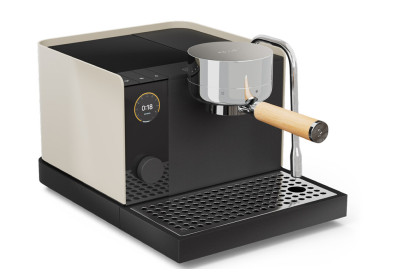
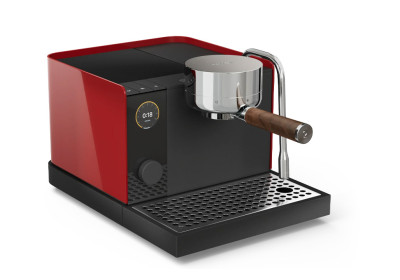
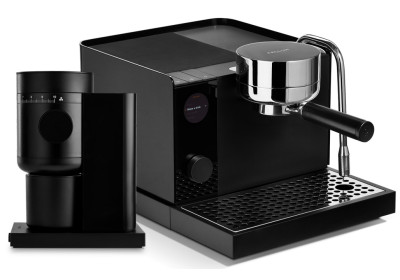
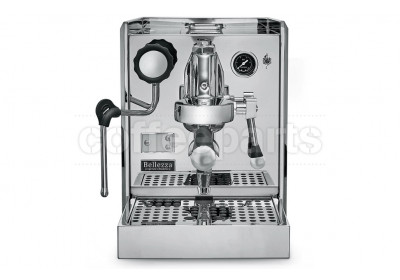
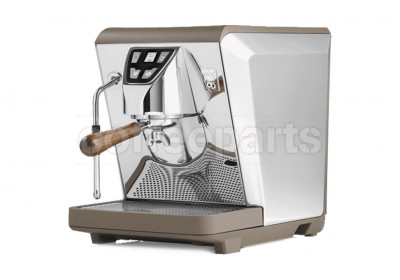
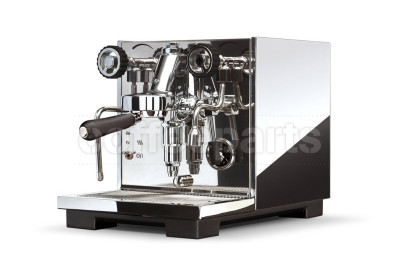
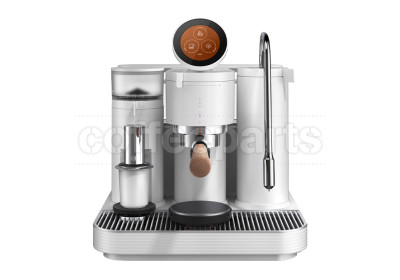
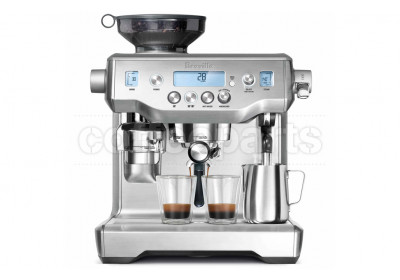
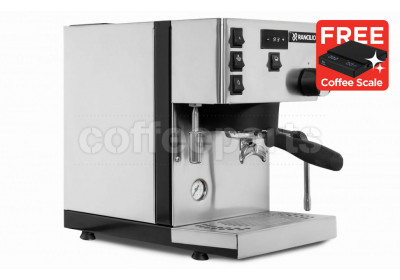
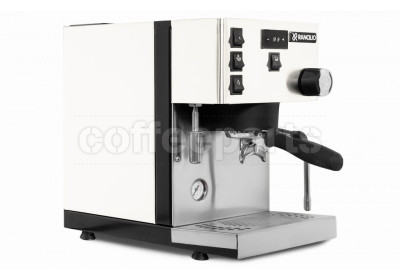
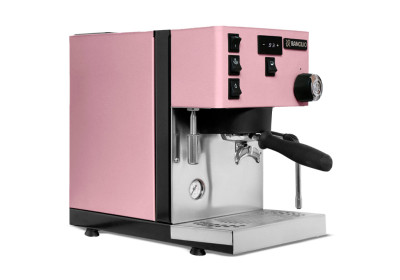
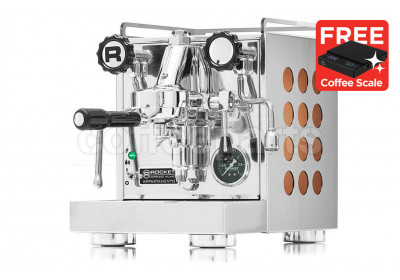
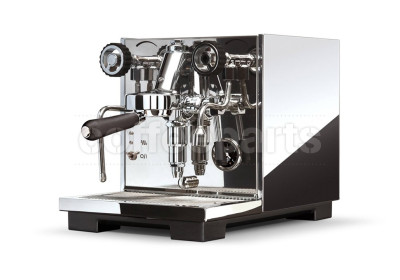
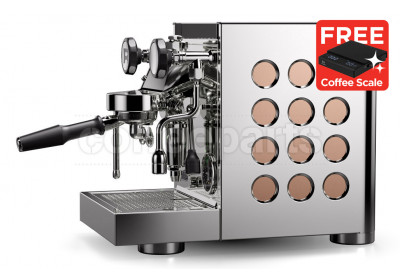
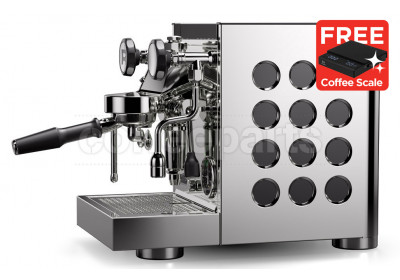
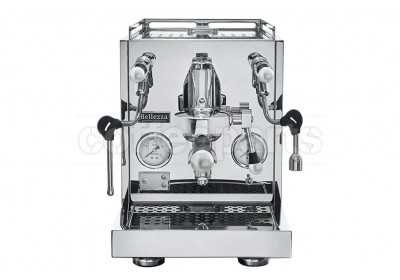
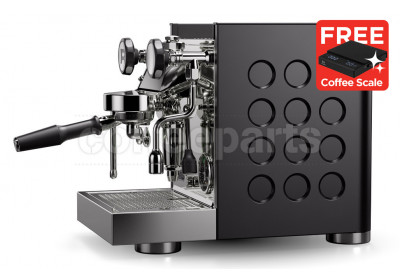
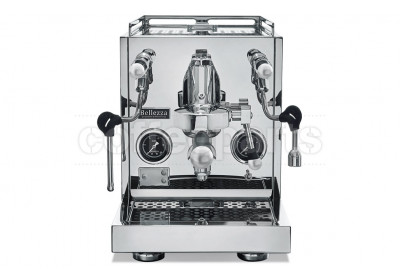
Recreate the magic of your favourite local café, right in your own kitchen. We've hand-picked Australia's best collection of espresso machines for every skill level, from the workhorse Rancilio Silvia to the iconic La Marzocco Linea Mini. Browse the machines below, or let our expert buying guide at the bottom of the page help you choose.
The machine that makes your morning yours, one shot pulled by hand.
Home and café espresso machines, parts-backed and tested since 1999.
TL;DR: Coffee machines range from single-boiler models like the Rancilio Silvia E V6 to dual-boiler machines like the Gaggia Classic GT and La Marzocco Linea Micra.
There is no better morning than one that starts with a shot pulled by your own hand, on your own bench. We've been helping Australians get there since 1999, and we still supply spare parts for most of what we sell, so we know which builds last. Our coffee machines range covers home espresso machines, E61 machines, dual-boiler machines and commercial coffee machines, sorted so you land on the right one, Australia-wide.
Start with the boiler
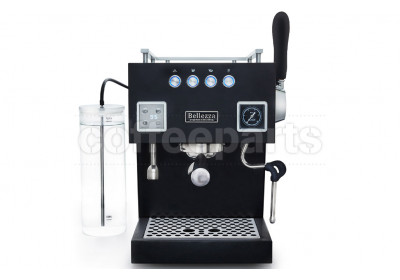
After 25 years of replacing what breaks, here is what we'd tell you to look at first: the boiler. A single-boiler machine such as the Rancilio Silvia E V6 heats brew water or steam, so you switch between the two. A dual-boiler machine like the Gaggia Classic GT, the Rancilio Silvia Pro X or the La Marzocco Linea Micra holds brew and steam temperature separately, which means steadier extraction and milk on demand. In between sits the heat-exchange machine: the Stone Lite runs a 1.5-litre heat-exchange boiler so you can brew and texture milk without waiting between tasks.
Temperature, pump and portafilter
Temperature control comes next. PID control, which you'll find on the Nuova Simonelli MOOD, the Rocket Espresso R Cinquantotto and the Elektra Verve Mini, holds every shot at the same temperature, and that consistency is something you can taste. Then the pump. Most home machines use a vibration pump; the Rocket Espresso R Cinquantotto uses a rotary pump, which is the quieter choice and the one café machines rely on. Portafilter size decides your parts ecosystem: the Silvia E V6 ships with a 58mm tamper because it runs the commercial 58mm standard, which opens up the widest range of baskets and accessories.
The grinder mistake
The mistake we see most often is spending everything on the machine and skimping on the grinder. Extraction lives and dies on grind consistency, so budget for a capable coffee grinder alongside any machine on this page.
Start with how you drink, not with the budget
If milk is most of your cup, prioritise steam. A dual-boiler machine or a heat-exchange machine lets you steam and pull shots without waiting, which is the difference between a relaxed morning and a queue in your kitchen. If you drink mostly black, a well-built single-boiler like the Rancilio Silvia E V6 will reward you for years, and it is one of the most repairable espresso machines we sell.
Matching the machine to the drinker
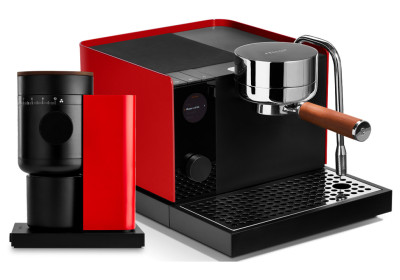
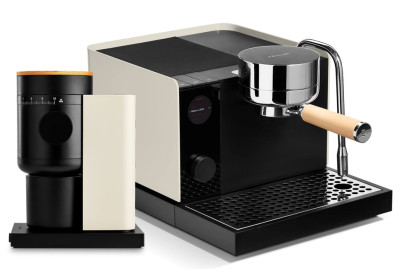
For a first serious home espresso machine in Australia, the Rancilio Silvia E V6 and the Gaggia Classic GT have earned their place. The Silvia teaches real technique on a commercial 58mm group; the Classic GT adds dual boilers and real-time PID control with tactile toggles. The Gaggia Classic E24, with its lead-free brass boiler, is the entry point into the same family. Chasing the smallest café machine that fits a kitchen? The La Marzocco Linea Micra was built for exactly that: dual boilers, PID and strong steam in a compact footprint. If you want full manual control, the La Marzocco GS3 MP gives you saturated groups and flow profiling, and the Rocket Espresso R Cinquantotto pairs a rotary pump with a touchscreen communication pod. Prefer something new and fast to heat? The Fellow Espresso Series 1 uses a Boosted Boiler with three independent heating elements, and the Rocket Espresso Giotto FAST Type R was built around faster heat-up. Small business or a serious home bar? The Nuova Simonelli MOOD is a single-group machine with PID that was designed to fit small venues, the Sanremo Cube R is the most compact machine that brand has made and ships with two portafilters and four IMS baskets, and the Victoria Arduino Eagle One Prima is a one-group machine from the family that builds the World Barista Championship stage machine. For a matched machine and grinder in one order, look at our coffee machine packages, such as the Rancilio Silvia Pro X with the Stile grinder. If a Breville coffee machine is on your shortlist, the Breville range has its own page with the accessories that fit each model.
The questions to ask before you spend
What will I pair it with? A machine is only as good as the grind feeding it, so budget for a real grinder alongside it. What is my water like? Hard water scales boilers, and scale damage is not covered by warranty, which is why a water filter belongs in the same order. What happens when it needs a service? Buy from somewhere that stocks the spare parts. We do, which is the whole point. And is it authorised? Grey-market imports look cheaper online but carry no Australian warranty. Every machine here comes through authorised channels with local warranty and our own service backing. If you're still unsure, our Sydney team has tested these machines on the bench, not just read the brochure.
La Marzocco Linea machines have been the official World Barista Championship machine across multiple competition cycles, and Anthony Douglas, the Australian who won the 2022 WBC in Melbourne, is a La Marzocco Global Ambassador. Victoria Arduino's Black Eagle has held the same official-machine role in other cycles. The Linea Micra, GS3 MP and Eagle One Prima on this page carry that engineering lineage into a kitchen or a small bar.
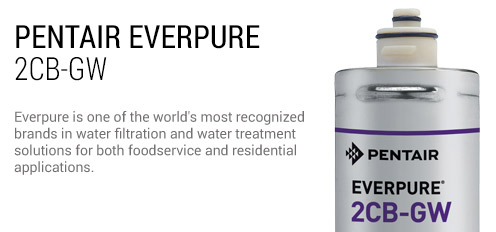
A machine alone doesn't make great coffee. We've sold thousands of these machines and we know what people regret not buying alongside them. First, a coffee grinder capable of consistent espresso-fine grinds, because extraction is decided at the grinder before the machine ever sees the coffee. Second, a water-filter: a water filter protects the boiler from scale and improves the cup. Third, a coffee scale so your dose and yield are repeatable shot to shot. Fourth, a tamper and distribution tool from our barista tools range for an even puck. Several machines here ship with a starter kit, but the grinder is the upgrade that changes the cup most.
I grew up in this business. The warehouse afternoons, the loaned machines, the friends who went on to win the world: that's not marketing copy to me, it's my childhood. So when someone asks me which coffee machine to buy, I don't start with the spec sheet. I ask how they drink their coffee and how long they want to keep the machine. Get those two answers right and the shortlist picks itself. Everything we stock here, we'd happily run on our own bench.
— Pedro Lara
Frequently Asked Questions
Single-boiler or dual-boiler: which suits my espresso routine?
+
A single-boiler machine heats brew water or steam one at a time, so you wait and switch between pulling a shot and steaming milk. A dual-boiler holds both temperatures at once, giving steadier extraction and steam on demand. If most of your cup is milk, a dual-boiler such as the Gaggia Classic GT or Rancilio Silvia Pro X is worth the spend; if you drink mostly black, a single-boiler like the Rancilio Silvia E V6 is plenty.
Is owning an espresso machine worth it?
+
For a daily coffee drinker, yes. Once you're set up, the routine takes about as long as a pod machine and the coffee is on a different level, with no lock-in to one pod format. The machine holds its value best when it's repairable, which is why we favour builds we can supply spare parts for. Most people have a new machine dialled in within a couple of weeks.
Is it worth it to buy a coffee grinder?
+
You need one. Espresso extraction depends on grind consistency and freshness more than any other variable, and pre-ground coffee goes stale and can't be adjusted to your machine. Burr grinders give an even particle size; blade grinders produce uneven grounds and too much dust. Budget for a capable burr grinder alongside the machine rather than spending everything on the machine itself.
E61 group head: what does that design give you?
+
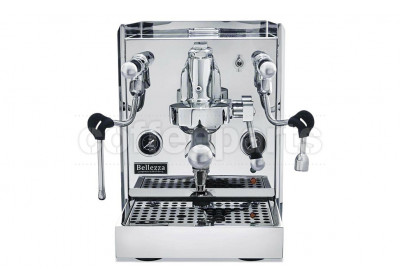
The E61 is a group-head design that traces back to Faema's 1961 machine, the same model that started Coffee Parts. It uses thermosiphon circulation to hold temperature passively, which gives stable, forgiving extraction. It matters because it's a proven, repairable standard with a deep spare-parts ecosystem. Our E61 coffee machine page lists every current model that uses it.
How do I protect the boiler from limescale?
+
Use filtered water and descale on schedule. Hard water deposits scale inside the boiler and group, which restricts flow and eventually causes failures that aren't covered by warranty. A water filter is the cheapest insurance you can buy for an expensive machine. We carry water filters and descalers to suit every model in this range.
Do you stock spare parts in Australia for what you sell?
+
Yes. Coffee Parts began in 1999 supplying spare parts, and we still stock seals, shower screens, pumps, gauges and rebuild kits for most of the machines on this page, including the Rancilio Silvia, Gaggia Classic, Rocket Espresso and La Marzocco home ranges. Buying where the parts live means a future service or repair is straightforward.
Are these authorised for Australia with local warranty?
+
We're an authorised retailer for brands including La Marzocco, Rocket Espresso, Rancilio and Victoria Arduino, so machines come with genuine Australian manufacturer warranty and our own service backing. Grey-market imports can look cheaper but carry no local warranty. You also get bench-tested dispatch and the same Sydney team after the sale.
How does a pod coffee maker compare to pulling shots by hand?
+
A Nespresso or other pod system wins on convenience and loses on the cup and on choice: you're locked to one capsule format and can't change grind, dose or beans. A manual espresso setup with a grinder lets you buy fresh coffee from any roaster and adjust every variable. The daily routine, once dialled in, is only a minute or two longer.