Commercial Coffee Grinders Built for Busy Café Service
Flat burr grinders from Mazzer, Mahlkönig, Ceado and more, tested for consistent dosing
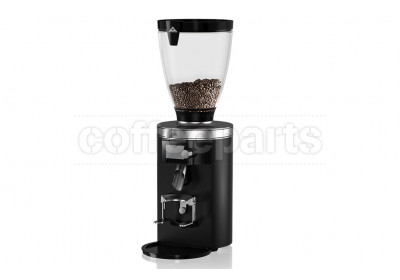
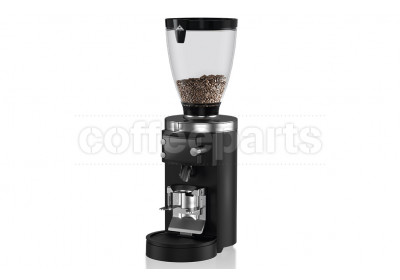
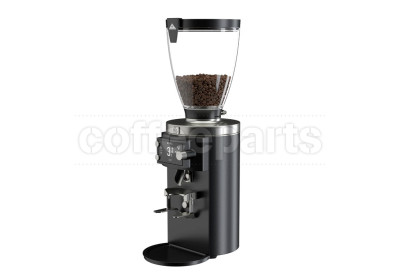
TL;DR: A commercial coffee grinder, such as the Mahlkönig E65S GBW or Ceado E6C Chameleon, turns roasted beans into consistent grounds for high-volume espresso service using flat burrs.
A busy bar lives or dies on grind consistency. We've fitted commercial coffee grinder machines to Australian cafés since 1999, from single dose Eureka Atom setups to high volume Mahlkönig and Ceado units built for hundreds of covers a day. Whatever your bar's throughput, we can help you land on the right commercial espresso grinder for the job.
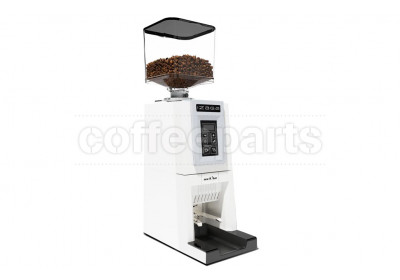
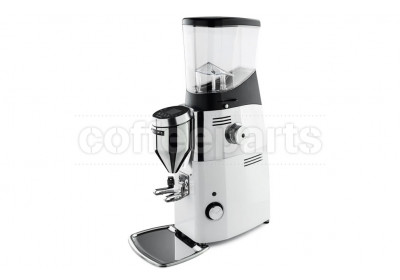
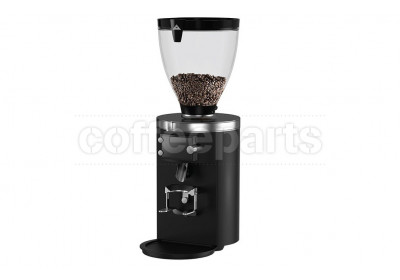
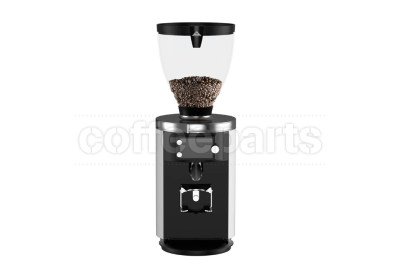
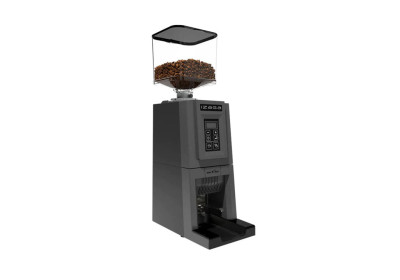
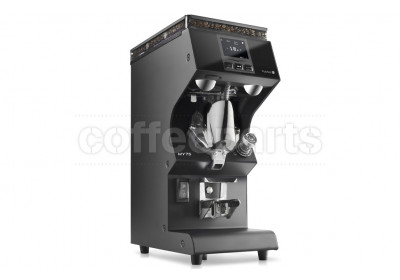
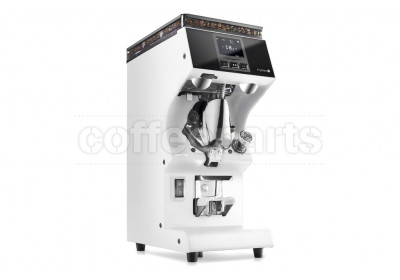
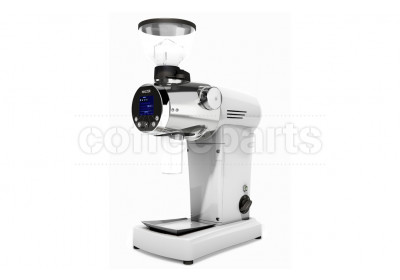
Every grinder in this range uses burrs, either flat or conical, to crush beans through three stages: breaking the bean, reducing it to rough particles, then refining those particles to the target size. Flat burr grinders, like the Eureka Atom Pro and Mazzer Super Jolly V Pro, use two parallel rings and tend to produce a narrower particle size distribution, which is why most espresso bars run them. Conical designs favour a different flow profile and show up more in filter-focused machines. Operating speed matters too. High speed direct-drive grinders are common in commercial settings because they process large volumes quickly, while some models, including the Mahlkönig E65S GBW, add real-time grind-by-weight dosing so every shot pulls from the same measured amount rather than a timer estimate. This is where a professional coffee grinder earns its place over a domestic unit: consistent particle size distribution, dose after dose, is what keeps extraction and flavour repeatable across a full service. Burr diameter also scales with volume. Larger burrs, such as the 75mm sets on the Slingshot Dosis S64, generate less heat per gram ground, which matters when a machine is running continuously through a Saturday rush.
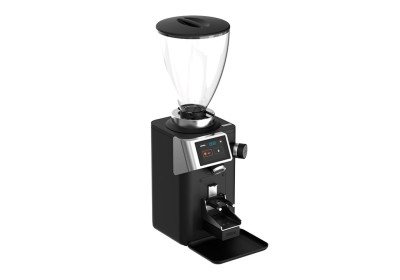
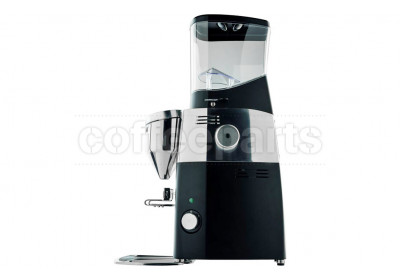
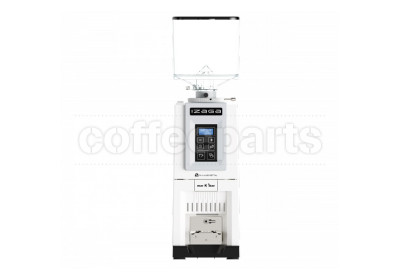
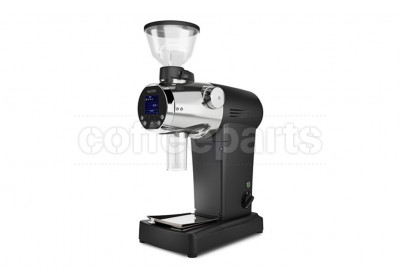
Choosing an industrial coffee grinder for a café comes down to three questions: how many covers you're serving, whether you want grind-by-weight or time-based dosing, and how much bench space you have. For low to medium volume counters, on-demand grinders like the Ceado E6C Chameleon switch cleanly between espresso and filter without a full recalibration. For classic espresso-only service, the Ceado Rev Steel and its WAM sibling add gravimetric weighing to a time-tested workflow, while the Ceado Rev Titan is built for genuinely high-volume bars.
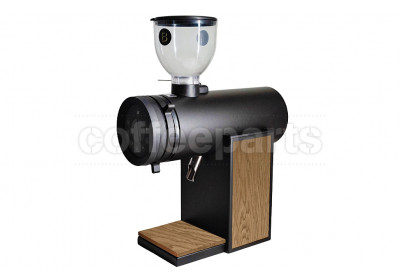
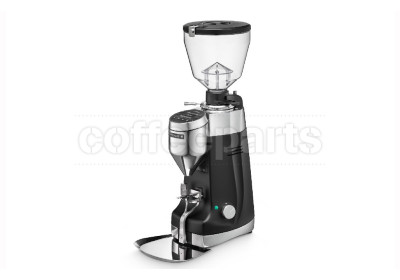
If you're chasing repeatable shots with minimal fuss, grind-by-weight units such as the Mahlkönig E65S GBW or the compact La Marzocco Jay and La Marzocco Swan suit busy counters that don't want variance creeping into the cup. The Swan's anti-static dosing keeps grounds from clinging to the chute, which matters on a bench that's wiped down fifty times a day. Where single-origin or decaf rotation is part of the offering, an on-demand grinder with low retention, like the Slingshot Baby Talis S64, avoids cross-contamination between doses.
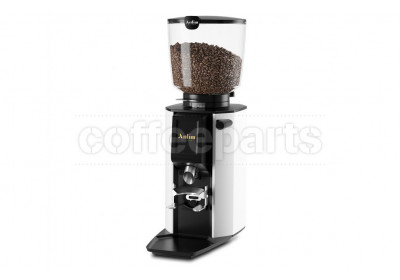
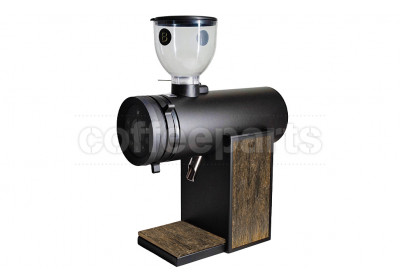
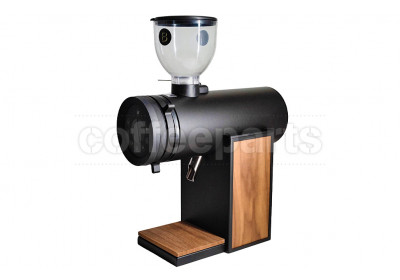
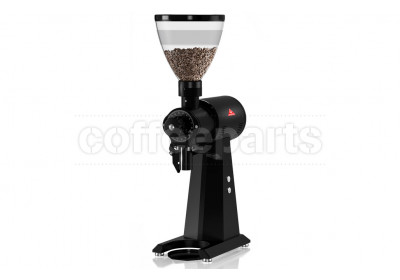
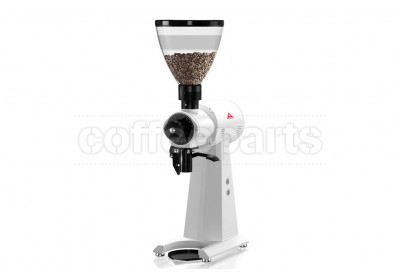
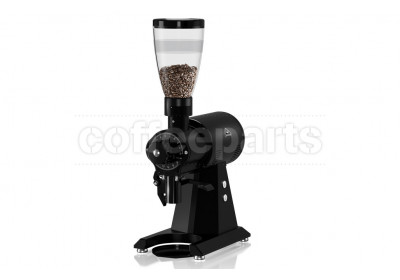
For cafés wanting a flagship filter and espresso grinder in one unit, the Mahlkönig EK OMNIA is built on the same lineage as Mahlkönig's earlier EK-series machines, engineered for consistency across brew methods rather than a single one. Multi-recipe grinders, such as the Anfim Luna, let a bar switch between programmed dial-ins for different blends without re-adjusting from scratch, useful anywhere the bean changes through the week.
Whichever model you land on, burr life and grind consistency depend on keeping the chamber clean. We recommend Cafetto grinder cleaning tablets as routine maintenance, not an afterthought, run through weekly on a busy machine to clear stale oils and fines that otherwise skew the next day's dial-in. Pair any commercial grinder with a set of grinder burrs on hand for when the originals wear down after heavy service, and if you're setting up a full bar, our commercial espresso machines range is the natural next stop.
Coffee Parts is Ceado's Australian co-importer, with locked exclusivity, and Ceado is the Qualified Grinder for the 2026 and 2027 World Barista Championships. Three-time Australian Barista Champion Hugh Kelly presented Ceado's REV series in April 2026, breaking down how burr geometry, Steady Lock and heat management combine to deliver consistency shot after shot. The Ceado Rev Steel, Rev Steel WAM, Rev Titan and E6C Chameleon in this range all share that engineering.
A grinder is only half the setup. Keep it running clean with Cafetto grinder cleaning tablets, run weekly to clear grounds oil build-up before it affects flavour. Add a set of coffee scales if you're dialling in a grind-by-weight model like the Mahlkönig E65S GBW, and keep beans fresh between grinds in a sealed coffee storage container rather than the original bag. If the grinder is feeding a new bar setup, our commercial espresso machines range pairs naturally alongside it.
We've been fitting grinders to cafés since before most of today's models existed, and the thing that hasn't changed is this: the grinder matters more than people expect walking in. A great machine can't fix an inconsistent grind. We know which of these units hold their dial-in through a full Saturday service and which drift by lunch, because we've watched them do both in real cafés. When a bar owner asks us where to spend the extra money, Mahlkönig and Mazzer grinders are usually where we point first.
— Pedro Lara
Frequently Asked Questions
How often should cleaning tablets be run through a busy grinder?
+
Most cafés run Cafetto cleaning tablets weekly on a busy machine to clear ground coffee oils and fines from the chamber and burrs. Skipping this lets stale residue build up and skews your dial-in over time.
What's the real difference between grind-by-weight and time-based dosing?
+
Grind-by-weight models, such as the Mahlkönig E65S GBW, dose by real-time weight rather than a timer, which keeps every shot consistent as beans age or humidity shifts. Time-based dosing, used on units like the Ceado Rev Steel, is simpler and well proven for stable, high-turnover blends.
Do café burrs wear out faster than home ones?
+
Yes. Heavy daily volume wears burrs down faster than occasional home use, and oily beans accelerate that further. We stock replacement burrs so a worn set can be swapped without replacing the whole unit.
Can one machine switch between espresso and filter service?
+
Some can. The Ceado E6C Chameleon and the Mahlkönig EK OMNIA are both built to switch between espresso and filter grind settings, which suits cafés running a brew bar alongside the espresso machine.
How long does delivery take on a made-to-order unit?
+
It depends on the model. Several Eureka, Mahlkönig and Anfim units in this range typically ship within about a week, while made-to-order pieces like the Bentwood Vertical 63 and the Ceado range can take around six weeks.
Is single dosing better than a hopper for a busy café?
+
Hopper-fed setups suit steady, high-volume service on one or two blends. Single-dose units with low retention, like the Slingshot Baby Talis S64, suit bars rotating single origins or decaf where cross-contamination between doses matters.
What actually separates café-grade equipment from a home setup?
+
Larger burrs, stronger motors and continuous-duty designs that grind hundreds of doses a day without overheating. Home units, including the smaller Mazzer Mini range, use similar burr technology but at lower volume and speed.