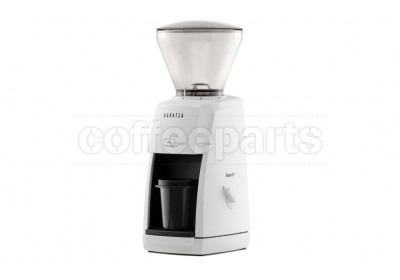
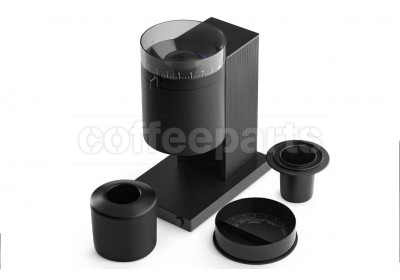
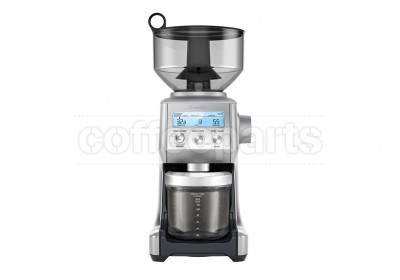
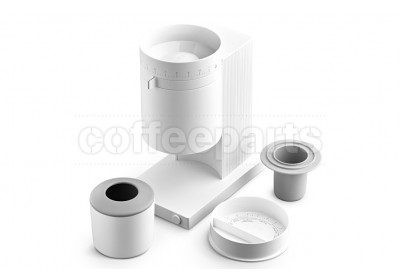
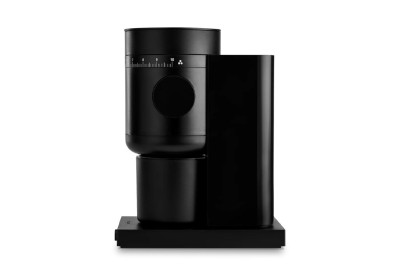
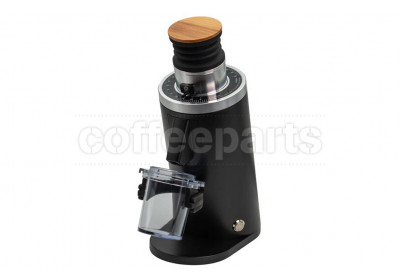
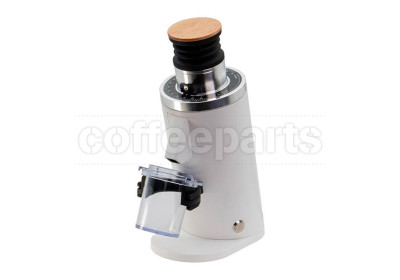
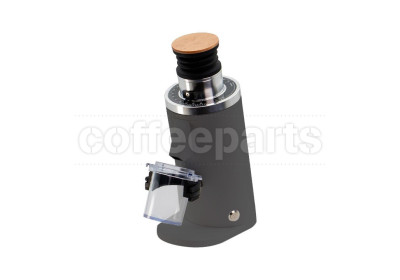
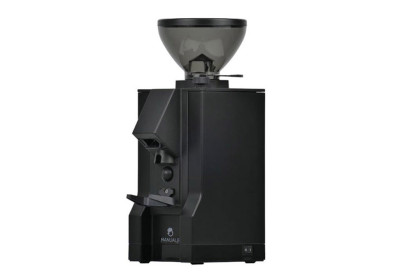
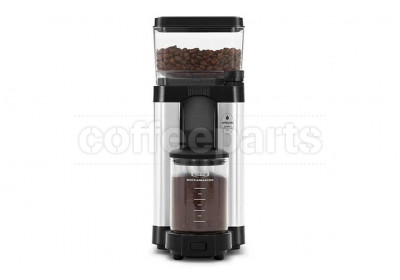
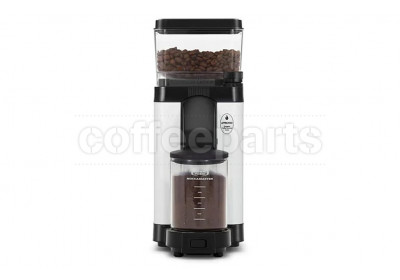
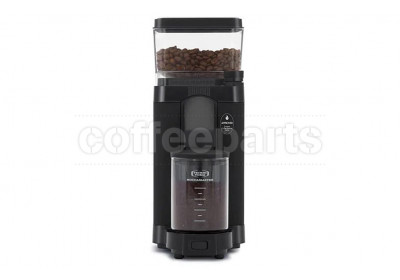
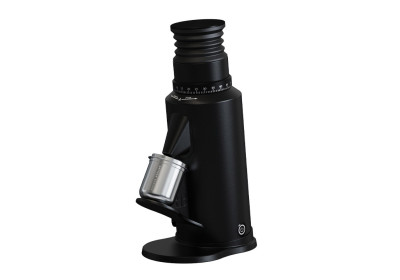
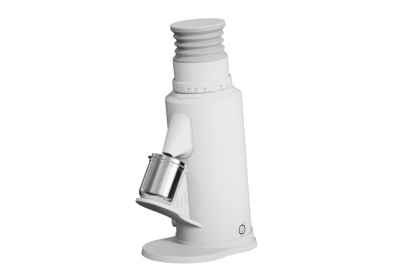
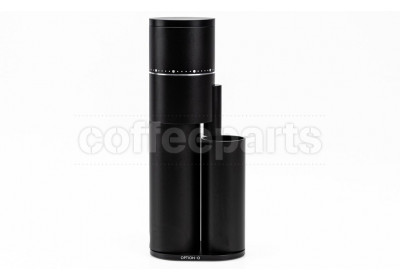
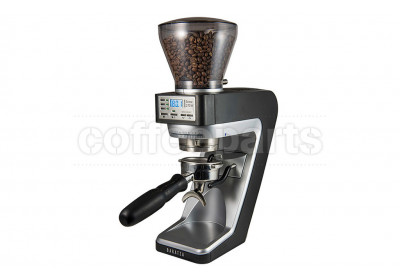
Unlock the true flavour and aroma of your coffee beans with the perfect grind. Our curated collection features Australia's best electric coffee grinders, from high-performance single-dose models to convenient hopper grinders by leading brands like Mazzer, Eureka, Ceado and Timemore.
The Coffee Grinder Decides What Your Coffee Actually Tastes Like
Home and prosumer burr coffee grinders, ranged, serviced and supported in Australia since 1999.
TL;DR: A coffee grinder mills whole beans to a set particle size. Burr models like the Rancilio Stile, Mahlkönig X64 SD and Timemore Sculptor 078S grind more evenly than blades.
Every barista tells you the same thing: the coffee grinder matters more than the machine. Grind consistency sets extraction, and extraction is what you taste. We've been selling, servicing and supplying parts for grinders since 1999, so we know which burr sets hold their edge and which motors survive years of daily use. Below is the full range, from entry stepped models to 83mm prosumer sets, grouped by brew style, burr size and workflow.
How a burr coffee grinder actually works
A burr coffee grinder crushes beans between two profiled cutting rings, in stages: whole beans into fragments, fragments into rough particles, rough particles into fines. Flat burrs sit parallel and throw coffee outward; conical burrs nest one inside the other and let gravity feed the coffee through. Both produce a far tighter particle spread than a blade, which is why James Hoffmann calls a burr grinder the single strongest recommendation in his book. Both sit in our burr coffee grinder and conical coffee grinder ranges.
Burr size, speed and heat
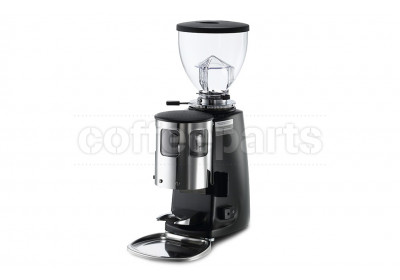
What separates one model from the next is burr diameter, rotation speed and the heat they put into the grounds. The Rancilio Stile runs 58mm flat burrs with micrometric adjustment collars. The Mazzer Mini Electronic steps up to 64mm flat burrs. The Timemore Sculptor 078 carries a 78mm set, and the Turin DF83 runs 83mm burrs at 1400 rpm, while the DF83V lets you dial rotation anywhere between 300 rpm and 1600 rpm. Larger, sharper burrs cut cooler and produce fewer fines.
Retention and grind range
Retention is the coffee left inside the chamber after a dose. Single dose designs such as the Mahlkönig X64 SD are built for near-zero retention and stepless adjustment across espresso, filter and cold brew. Grind range matters too: the Sculptor 078 is filter only, while the Sculptor 078S covers espresso and filter, because espresso needs finer adjustment at the tight end of the dial.
Espresso, filter, or both?
Espresso needs fine, repeatable adjustment, because a small change in particle size shifts shot time noticeably. Filter wants range and clarity at coarser settings. Models built for one job do it more cheaply; models built for both carry a finer adjustment mechanism, which is why our espresso grinders are grouped separately and why pour over brewing sits at the other end of the same dial.
Hopper or single dose?
A hopper is faster: fill it once and grind on demand, which suits one house blend all week. The Rocket Espresso Essential holds 300g of beans and gives you three programmable timed doses from its LCD panel. Single dosing suits anyone rotating origins, because you weigh in what you want and get almost all of it back. The Ceado Life X, Mahlkönig X64 SD and Turin DF83 all work this way; see the full single dose grinder range. The Fiorenzato AllGround Sense takes a third path, with a load cell in the portafilter fork that doses by weight rather than time.
Flat or conical burrs?
Flat burrs tend toward clarity and separation in the cup. Conical burrs tend toward body and texture. Both are valid, and burr size usually matters more than shape: larger burrs cut cooler and hold their setting longer under repeated use. The Artisan Barista conical grinders cover espresso and pour over from one compact body, and the Variable RPM version adds speed control on top.
What changes as you move up the range
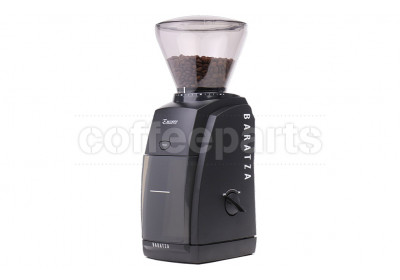
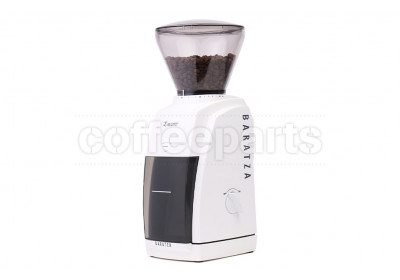
Entry electric models give you stepped adjustment and reliable filter grinding; browse them under Breville and Baratza. The middle of the range, where the Rancilio Stile, Eureka Atom 60E, Fiorenzato AllGround Sense and Rocket Espresso Faustino 3.1 sit, adds stepless or micrometric adjustment, timed dosing and lower retention. The Eureka Atom 60E earned its place here for one reason above the rest: it is built to be quiet, which matters in an apartment or a house of light sleepers. Above that, 64mm to 83mm sets such as the Mahlkönig E64 WS, Mazzer Mini Electronic, Timemore Sculptor 078S and Turin DF83V hold their setting shot after shot, and are built so burrs get replaced rather than the whole unit.
Hand grinding and cafe volume
A manual coffee grinder is a real option rather than a compromise: our hand coffee grinders cover travel, filter and espresso-capable models using the same burr geometry, turned by hand. Buying for a cafe bench instead of a kitchen? Start with our commercial coffee grinder range, where daily volume, not bench appeal, sets the shortlist. If you would rather buy the machine and grinder as a matched pair, our coffee machine packages are put together the way we would pair them ourselves.
Two brands on this page carry world stage credentials we can stand behind. Coffee Parts is the exclusive distributor of Timemore in Australia, and Timemore was Top Sponsor of the 2025 World Brewers Cup in Jakarta. We are also the Australian co-importer of Ceado, with locked exclusivity, and Ceado is the Qualified Grinder for the 2026 and 2027 World Barista Championships. Both are stocked here with parts and service behind them.
A grinder on its own is half a setup. We have sold thousands of them, and we know what people wish they had ordered at the same time:
- Cafetto grinder cleaner tablets from our cleaning chemicals range. Clean burrs are performance maintenance, not an upsell.
- A coffee scale so you weigh in and weigh out rather than guess.
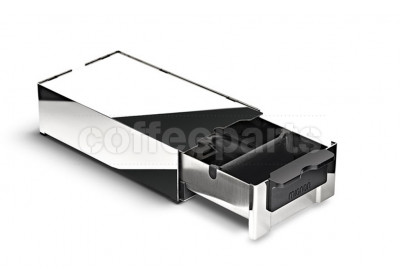
- A dosing cup and a WDT tool if you are grinding into a portafilter.
- A Precision filter basket, so uneven holes do not undo the work you just did.
- A spare set of grinder burrs for the day the cup starts tasting flat.
The grinder is the chef's knife of the coffee world. Most of what you taste comes from the grind, not the machine. I have watched this range change from the doser Mazzers my dad stocked in 1999 to single dose models that hand back nearly every gram you put in. The technology moved; the principle did not. Get the grinder dialled in and everything downstream gets easier. It is why we tell people to spend here before they spend anywhere else.
— Pedro Lara
Frequently Asked Questions
What type of coffee grinder is best?
+
A burr grinder, in almost every case. Burrs crush beans between two profiled rings, so particle size stays consistent and extraction stays even. Blade models chop, producing dust and boulders that over-extract and under-extract in the same cup. Beyond that, the right type follows your brew method: fine, repeatable adjustment for espresso, and a broad range with clean separation for filter.
Do I really need an expensive coffee grinder?
+
For filter coffee, not necessarily, because a slightly wider particle spread matters less at coarser settings, and an entry burr model with stepped adjustment will serve you well. Espresso is less forgiving: at fine settings small adjustment steps make a visible difference to shot time, so a low-cost unit with coarse steps often cannot land where you need it. Spend on the grinder before the machine.
Is hand grinding as good as electric?
+
For one or two cups at a time, close to it. A good hand mill uses the same burr geometry, just turned by hand instead of a motor, and it is quiet, portable and easy to strip down. The trade-off is time and effort at espresso fineness, where the resistance climbs sharply. Our hand range covers travel, filter and espresso-capable models.
Flat or conical burrs, which suits my brewing?
+
Flat burrs are two parallel rings, and centrifugal force throws the coffee through. Conical burrs are a cone inside a ring, and gravity feeds the coffee through. In the cup, flat generally gives more clarity and separation, conical more body and texture. Both work well. Diameter and rotation speed usually influence the result more than shape alone.
How often should I clean the burr chamber?
+
Run Cafetto grinder cleaner tablets through, then brush out the chute and grounds chamber. Coffee oils build up on burr surfaces and along the exit path, and stale oil dulls flavour and encourages clumping. At home, roughly once a month is enough; on a cafe bench it wants doing weekly. Treat it as performance maintenance rather than housekeeping.
What does low retention actually mean?
+
It is how much coffee stays behind inside the chamber and exit path instead of landing in your dose. Single dose designs such as the Mahlkönig X64 SD are built for near-zero retention. Low retention matters most if you rotate beans, because leftover grounds from yesterday mix into today's cup, and because what you weigh in is then what you actually brew.
Why does pre-ground taste flat?
+
Two reasons. Aromatics start escaping within minutes of milling, so a bag ground at the roaster is already fading by the time you open it. And it is cut to one generic setting that suits no brew method exactly, which means the extraction is never quite right for your V60, plunger or portafilter. Grinding to order fixes both.
How long before grind quality fades?
+
Wear is measured by kilograms milled, not by calendar months. Light home use takes a long time to dull a burr set; cafe volumes wear far faster. The signs are needing progressively finer settings to hit the same shot time, and more fines in the cup. We stock replacement burr sets for the grinders we sell, so a fading cup is a parts order, not a new unit.