Proper espresso on the road, from a portable espresso machine
Hand lever, battery heated and travel press brewers, chosen by a Sydney family business trading since 1999.
TL;DR: A portable espresso machine brews pressurised espresso away from mains power. The Flair GO uses hand pressure; the Outin Nano and MHW-3Bomber X-Press58 run on battery.
Campsites, hotel rooms, office kitchens and long drives across Australia: the coffee is usually the weak Link. A portable espresso maker carries pressure, and often heat, in your bag, so a proper shot travels with you. This part of our manual brewing range covers hand lever brewers, battery heated units, travel presses and the grinders that feed them. Decide how you will power it first, then match grind and dose to the brewer.
Three ways to make espresso away from the bench
Every travel espresso maker in this range solves the same problem: pressure. James Hoffmann, in How to Make the Best Coffee at Home, describes espresso as hot water pushed at high pressure, around 9 bars, through a bed of finely ground coffee. How a portable unit creates that pressure splits the range into three groups.
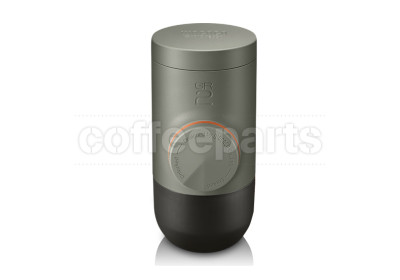
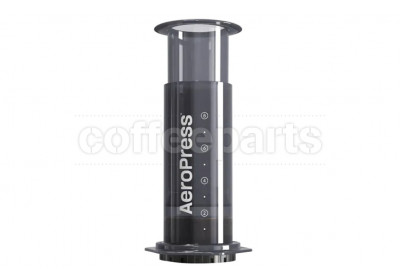
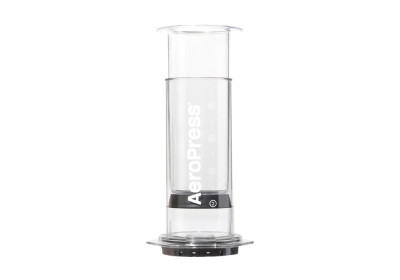
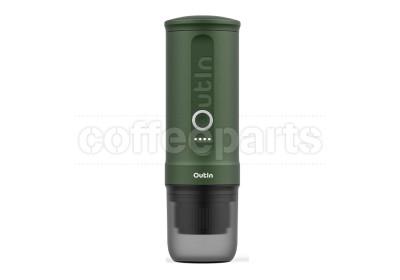
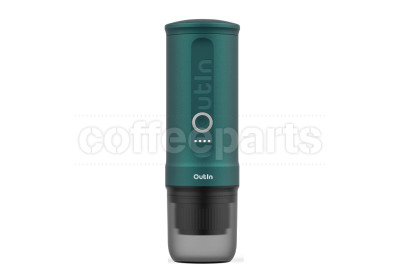
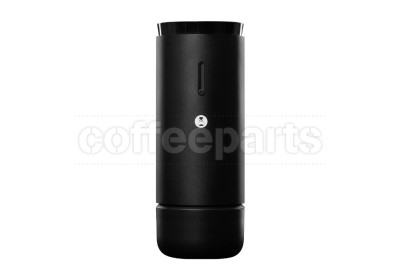
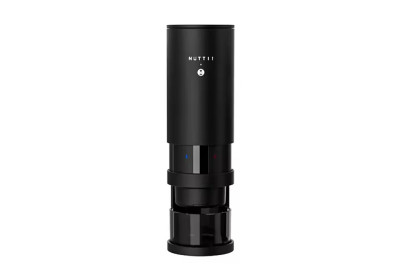
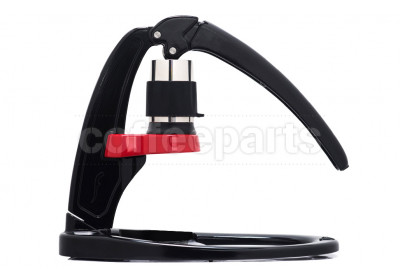
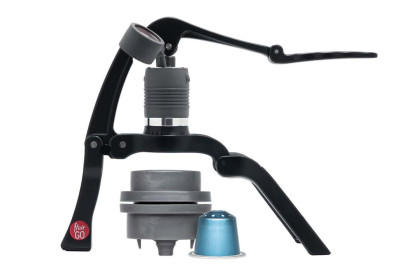
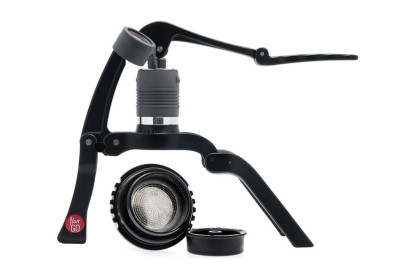
Hand lever brewers such as the Flair GO Grounds Model need no power at all. You supply hot water and the force, so nothing goes flat on a long trip. Self-heating units do the work for you. Outin publishes up to 20 bars and up to 92°C for the Nano, with a 7500 mAh battery and a body of about 670 grams. The Timemore x Nuttii pairs 15 bar extraction with a 7500 mAh battery, and the MHW-3Bomber X-Press58 runs a standard 9 bar extraction through a familiar 58mm basket. Immersion presses such as the AeroPress GO form the third group, with gentler hand pressure and a longer cup.
What usually goes wrong
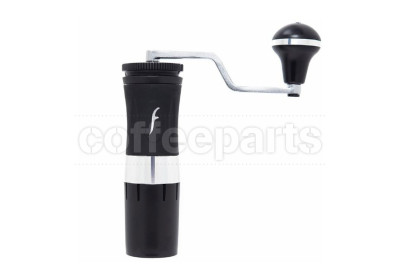
In our experience the brewer is rarely the problem. Grind is. Every pressurised unit here needs a fine, even grind to build resistance, and supermarket pre-ground coffee is usually too coarse to hold pressure. That is why a grinder belongs in the same bag, whether it comes out of our hand coffee grinders range or is a portable electric model.
How to choose a portable espresso machine
1. Start with power
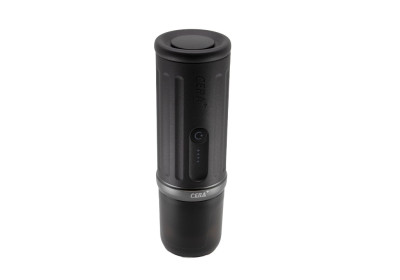
Power removes half the range in one decision. If you want espresso where there is no charger, a manual lever such as the Flair GO is the dependable choice: nothing to recharge, and you control the pressure by hand. If you want one button and no kettle, a self-heating unit makes the better camping espresso maker. The Outin Nano, the Outin Mino, the iKape V1 with Heating and the Cera+ PCM03S all heat water on board before they extract. Outin quotes 12V or 24V car charging and USB charging above 10W for the Nano, which matters if you came looking for a 12 volt espresso machine for the car or caravan. Check how each unit charges before relying on a vehicle outlet.
2. Choose grounds, capsules or both
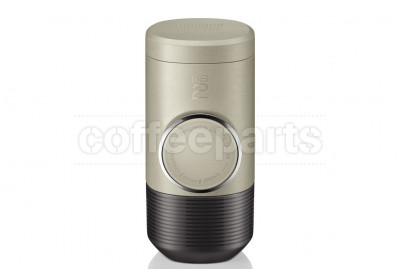
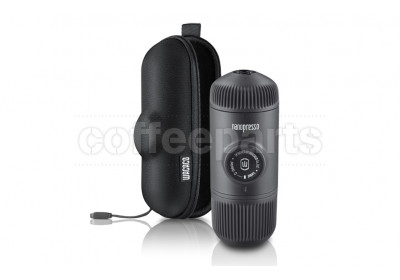
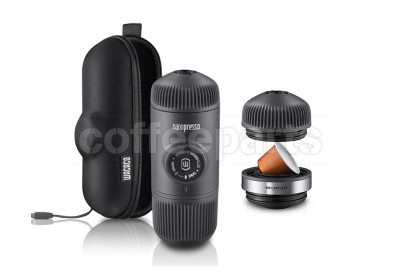
Grounds give you control over roast and dose. Capsules give you speed and an easier clean-up, which counts in a car or a hotel room. If you want a portable Nespresso machine, the Outin Nano takes Nespresso Original style capsules as well as ground coffee, and the Wacaco Pixapresso accepts either in a single body. The Outin Nano Basket Plus lets you double the shot when a single basket runs short. Browse the full Outin range for cases and adapters.
3. Count the shots per charge
Heating cold water is what drains a battery. Outin publishes up to 5 cold-water brews per charge for the Nano, and more than 200 when you add hot water yourself. For a week away from power, carry a way to boil water or choose a lever.
4. Budget for the grinder
The grinder is the part most people underestimate. A portable unit is a fine-grind device, and it will only be as good as the coffee you put in the basket. The Timemore Whirly 01S and the Cera+ CGE03 are portable electric grinders built for exactly this job.
5. Be honest about volume
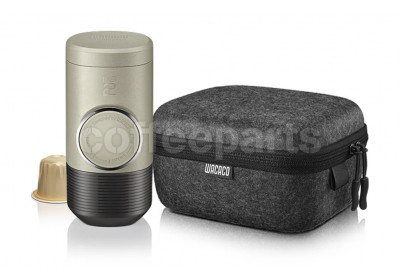
Portable espresso is a one-shot-at-a-time format. Brewing for three people every morning? An AeroPress or a stovetop moka pot will serve the group better, and our camping range covers kettles, mugs and tougher kit for longer trips. If you came looking for the Wacaco Nanopresso, Wacaco Picopresso or Wacaco Minipresso, each range has its own page: Nanopresso, Picopresso and Minipresso.
Coffee Parts is the exclusive distributor of MHW-3Bomber in Australia. MHW-3Bomber was Gold Sponsor of the 2025 World Barista Championship in Milan, and it makes the X-Press58 on this page. We hold the same position for Timemore, Top Sponsor of the 2025 World Brewers Cup in Jakarta, whose Whirly 01S grinder belongs in any travel kit. The AeroPress has its own world stage too: Sydney's Jibbi Little won the 2022 World AeroPress Championship.
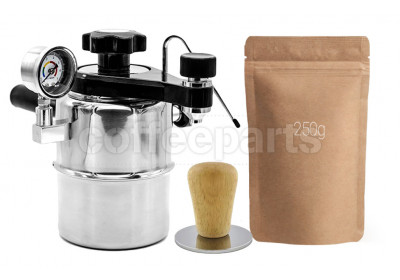
A portable espresso machine on its own is half a kit. The grinder comes first: the Timemore Whirly 01S or the Cera+ CGE03 handle espresso-fine grinding away from the bench, and our Timemore page shows the rest of that range. Then protection, because these units live in bags: the Outin EVA Protective Case has a felt lining to keep the body free of scratches, and the Outin Silicone Coffee Mat gives you a dedicated surface to brew on. Lever brewers need hot water, so a pouring kettle from our kettles range completes the setup. If milk matters, the Flair Wizard Steamer makes microfoam on most cooktops without a full espresso machine.
I get asked whether portable espresso is a gimmick more than any other question in this range. My answer hasn't changed. Judged against your bench machine at home, it loses. Judged against the instant sachet in a motel room or the servo cup at six in the morning, it wins easily, and that is the real comparison you are making. Buy the one that suits how you travel, bring a grinder that can go fine, and it will have earned its place in the bag.
— Pedro Lara
Frequently Asked Questions
Are portable espresso machines any good?
+
It depends what you compare them to. Against a bench machine at home, no travel unit matches its temperature stability or steam power. Against the coffee actually available on a campsite, in a hotel room or in an office kitchen, a portable espresso machine is a clear improvement. If you grind your own beans and travel often, it earns its keep quickly. If you leave home twice a year, an AeroPress packs smaller and asks less of you.
Which is better, Nanopresso or Picopresso?
+
Neither wins outright; they suit different routines. Both are Wacaco portable espresso makers, so choose on how involved you want each shot to be, then compare the published specifications on our Wacaco Nanopresso and Wacaco Picopresso pages side by side. Whichever you pick, the grinder matters more than the badge, because both rely on a fine, even grind to build pressure.
What are the disadvantages of pod coffee when travelling?
+
Capsules fix the dose and the roast for you, so you give up control over flavour. In return you get speed and a much easier clean-up, which is why people choose them for cars and hotels. You don't have to commit: the Outin Nano works with ground coffee and Nespresso Original style capsules, the Wacaco Pixapresso accepts either, and the Outin Nano Adapter Kit is the part that switches between formats.
Do I need a separate grinder for travel?
+
Almost always, unless you run capsules exclusively. Every ground-coffee model on this page relies on a fine, even particle size to build pressure, and supermarket pre-ground coffee is usually too coarse and too stale to hold it. The Timemore Whirly 01S and the Cera+ CGE03 solve that electrically, and a hand grinder does the same job with no battery to manage.
How many brews does a battery unit give per charge?
+
It depends on whether the water is heated on board. Outin publishes up to 5 brews per charge for the Nano when it heats cold water from its 7500 mAh battery, and more than 200 when you supply hot water yourself. Heating is the drain, so if you are heading somewhere without power for several days, carry a way to boil water or pick a manual lever instead.
How do I make espresso without a machine or power?
+
True espresso needs high pressure through a fine bed of coffee, so the answer is a manual lever. The Flair GO Grounds Model needs only hot water and your hand on the lever. If a concentrated cup is close enough, the AeroPress and the Trinity Zero press give you espresso-style coffee with no power at all; Trinity quotes a concentrated coffee in 60 seconds after 10 to 15 pumps.
Is an AeroPress the same as a lever brewer?
+
No, the physics are different. The AeroPress arrived in 2005 with a patented three-in-one method that borrows from French press, pour-over and espresso, and it brews by immersion with gentle hand pressure. It makes a full-bodied cup rather than a pressurised shot. A lever or battery unit builds far higher pressure through a fine puck. Want a longer coffee and easy clean-up, take the press; want a short shot, take the lever.
Which brewer suits a multi-day trip off the grid?
+
A manual lever such as the Flair GO, in most cases. Battery units are convenient, but recharging is difficult over several days without a vehicle or a solar setup, while a lever needs only hot water. You will still need heat for the water and a grinder that goes fine. Our camping range covers the kettles and mugs that go with it.