The morning ritual that needs nothing more than your stove
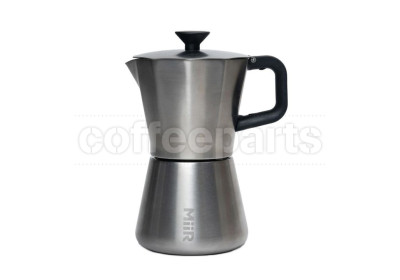
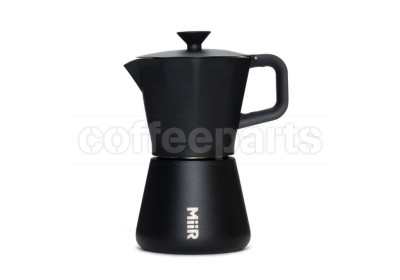
Bialetti, Bellman, MHW-3Bomber, Muvna and Grosche stovetop espresso makers for gas, electric and induction cooktops
TL;DR: A moka pot brews espresso-style coffee on the stove using steam pressure. The Bialetti Moka Express is the aluminium classic; the Bellman CX25P adds a gauge and steam wand.
A moka pot turns any stove into a strong-coffee station: water in the base heats, steam pressure builds, and the brew rises through the coffee into the top chamber. Our range runs from the Bialetti 1 Cup Moka Express through the induction-ready Moka Induction, Brikka and Venus, to the Bellman CX25P with its pressure gauge and steam wand. Start with your cooktop, then pick a size, then decide whether you want milk.
Why moka coffee turns bitter, and how to stop it
A moka pot is a three-chamber brewer. In The Craft and Science of Coffee, Britta Folmer describes it as running at far lower pressure than an espresso machine, with no true crema, and notes that extraction overruns quickly unless you stop it in time. That is where the stove top coffee pot gets its reputation for bitterness: much of it comes down to heat and timing rather than the pot itself.
James Hoffmann makes the same point in The World Atlas of Coffee: the brewing water gets hot enough to pull bitter compounds, so he suggests a light espresso roast or a coffee grown at lower altitude, and steering away from dark roasts. In practice, fill the base with lukewarm water below the safety valve, grind medium-fine, use a medium heat and take the pot off the moment it starts to splutter.
Build quality matters because this is a pressurised vessel. In How to Make the Best Coffee at Home, Hoffmann calls Bialetti the standard for moka pots for exactly that reason: the gaskets need to hold pressure and the pressure-release valve needs to work. He also notes that the old aluminium health scare isn't supported by the evidence.
1. Start with your cooktop
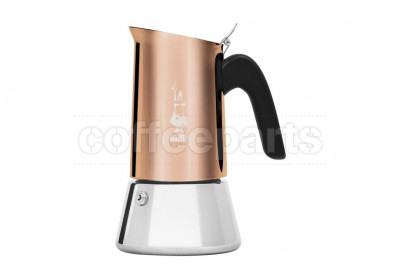
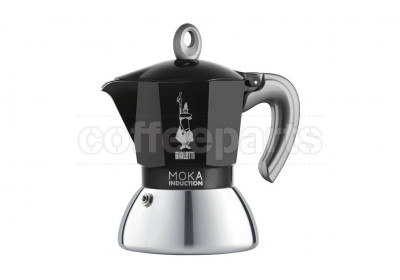
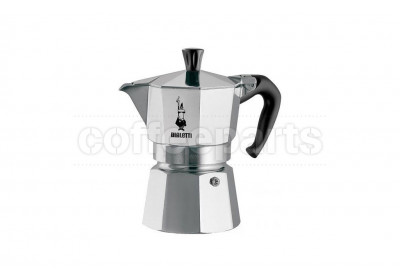
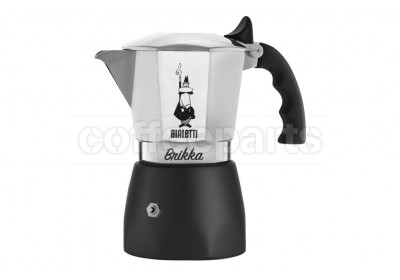
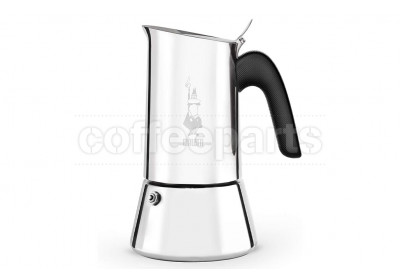
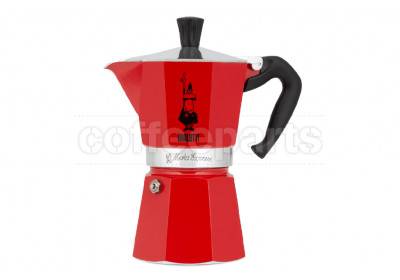
Aluminium pots such as the classic Bialetti Moka Express suit gas and electric cooktops but aren't made for induction. On induction, choose a pot built for it. The Bialetti 4 Cup and 6 Cup Moka Induction keep the classic shape and work on induction, gas and electric. The Bialetti 4 Cup Brikka Induction adds a silicone-membrane column for a creamier cup. The Bialetti 6 Cup Venus is polished stainless steel with a thicker base for heat distribution. Any of these makes a sound induction hob coffee maker, and the Bellman CX25P, in 18/8 stainless steel, also works on compatible induction cooktops. Some induction zones need a minimum pot diameter to switch on, so check your hob if a small pot isn't detected.
2. Choose a size you will fill
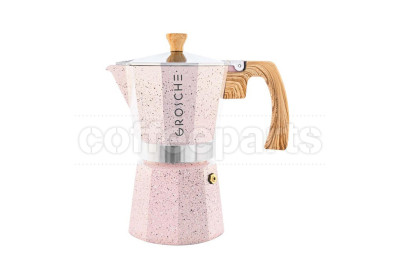
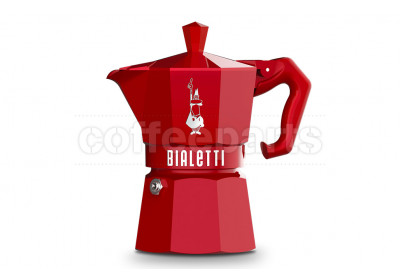
Moka cup ratings are small Italian espresso cups, not mugs. For scale, the Muvna Double Valve 2-Cups brews roughly 60ml and the MHW-3Bomber Double Valve 100ml makes about two shots. The Bialetti 1 Cup and 2 Cup Moka Express suit one person, the 3 Cup Moka Express (red or black) and the Grosche Milano 3 Cup give a little more, and the 6 Cup Moka Express, Grosche Milano 6 Cup and the 300ml MHW-3Bomber Moka Pot cover multiple serves.
3. Black coffee or milk drinks?
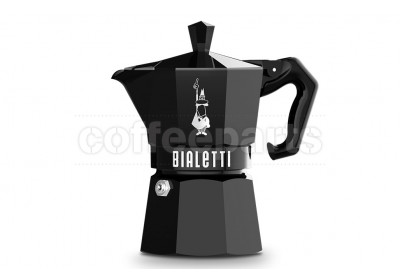
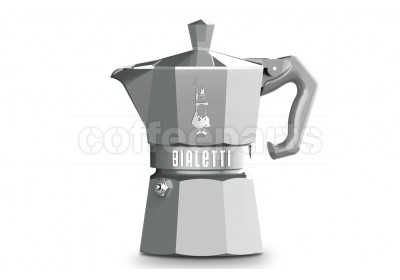
For black coffee, any italian stovetop espresso maker here does the job, and the Bialetti Moka Exclusive models add 1960s-inspired styling, a silicone gasket and an internal protective boiler lining. For milk drinks without buying a machine, the Bellman CX25P brews 3, 6 or 9 shots and carries a double-hole steam wand. Its pressure guide is specific: start extraction between 0.5 and 1.2 bar, steam between 1.5 and 2 bar, and reduce the heat above 2 bar. If you already have a brewer and only need foam, the Bellman CX25S does that alone in 304-grade stainless steel, and our milk frothers range has other options.
4. Double valve or classic?
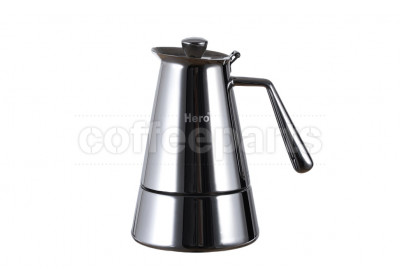
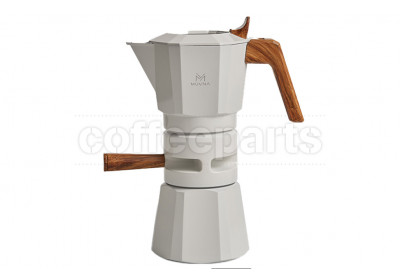
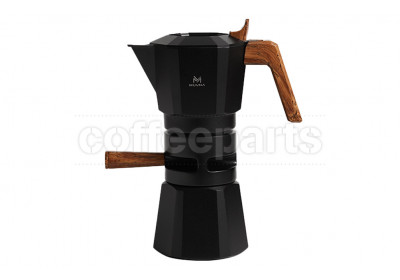
The MHW-3Bomber Double Valve and the Muvna Double Valve use a second valve to manage pressure during brewing: compact pots for one person who wants more control. The classic Moka Express keeps things simple, and it is the shape most people picture when they think of a stovetop espresso maker.
5. Grind, and a note on percolators
A consistent medium-fine grind matters as much as the pot, so a burr grinder from our hand coffee grinders range is worth pairing with any of these. If you arrived looking for a coffee percolator stove top brewer, that is a different method, and we keep those in our percolator range within the wider manual brewing collection.
A stove top coffee maker gets you most of the way. To finish the setup, add coffee scales so your dose stays consistent, an airtight container from our coffee storage range, and beans from our espresso coffee range, where a lighter espresso roast suits this brew method. For milk on the Bellman CX25P, a milk jug filled halfway with cold milk is the starting point, and you stop steaming at 60°C. Heading off-grid? Our camping coffee range covers the rest of the kit.
Most of the moka pot complaints I hear come down to heat and timing, not the pot. People turn the flame up, walk away and come back to something bitter and burnt. Medium heat, lukewarm water in the base, and off the stove the moment it splutters. Rinse it, dry it and keep the gasket clean. Our team uses and tests the products we sell, and the Moka Express is still the one I'd hand a first-timer.
— Pedro Lara
Frequently Asked Questions
Are stovetop espresso makers any good?
+
Yes, if you manage heat and timing. They make a strong, full-bodied coffee with no power point and no electronics. They won't match a pump machine's pressure or crema, but James Hoffmann notes that, used properly, a moka pot can make coffee that is clean, sweet and well extracted. Medium heat and taking it off as soon as it splutters do most of the work.
What are the negatives of a moka pot?
+
Heat sensitivity is the main one: too much heat or too long on the stove pulls bitter compounds. Aluminium models such as the Bialetti Moka Express aren't made for induction, and a standard pot gives you no pressure readout. Light, bright, acidic coffees are also harder to get right, so a light espresso roast is the safer choice. The MHW-3Bomber and Muvna Double Valve pots add pressure control, and the Bellman CX25P adds a gauge.
Is a moka pot as strong as espresso?
+
It is strong, but it isn't espresso. A moka pot runs at much lower pressure than an espresso machine and produces no true crema. Hoffmann describes the style as close to early espresso: stronger than modern filter coffee, but not as intense as today's espresso. On the Bellman CX25P, the gauge guide puts 1 bar as the ideal pressure for a strong brew.
How do you use a stove top brewer?
+
Fill the base with lukewarm water to just below the safety valve. Add medium-fine coffee to the basket, level it and wipe the rim clean, then assemble and tighten the top firmly. Set it on medium heat. When it starts to splutter and the base runs dry, take it off the heat straight away and serve. Never heat it empty, and don't reheat leftover coffee in the pot.
What is a stovetop coffee maker called?
+
It is usually called a moka pot, and you'll also see it sold as a stovetop espresso maker or Italian coffee maker. The design traces back to Alfonso Bialetti, who invented it in 1933, and Bialetti still makes the Moka Express today.
How many cups does a 6-cup size actually make?
+
Cup ratings refer to small Italian espresso cups, not mugs. For scale, the Muvna Double Valve 2-Cups brews roughly 60ml and the MHW-3Bomber Double Valve 100ml makes about two shots. A 6 Cup Moka Express or Grosche Milano 6 Cup gives several small espresso-style serves, enough to share or to stretch into milk drinks.
Which models work on an induction cooktop?
+
The Bialetti 4 Cup and 6 Cup Moka Induction, the Bialetti 4 Cup Brikka Induction and the stainless steel Bialetti 6 Cup Venus are built for induction, and the Bellman CX25P works on compatible induction cooktops. The classic aluminium Moka Express isn't designed for induction. If your hob doesn't detect a small pot, that zone may need a minimum pot diameter to activate.
Can you steam milk without a machine?
+
Yes. The Bellman CX25P brews and steams: let it reach at least 1.5 bar, place the double-hole wand just under the surface of cold milk in a jug, open the steam valve gradually and stop at 60°C. The Bellman CX25S is a steamer only, for anyone who already has a brewer.